Ignoring a Procedural Fairness Letter is one of the most critical mistakes an immigration applicant can make, especially in 2026, where immigration systems are more advanced, data-driven, and unforgiving than ever before. Whether you applied for Canada, the UK, or another country, receiving this letter means immigration authorities have identified serious concerns in your application and are giving you a final opportunity to respond. It is not a routine notification; it is a legal warning that your case is at risk.
For applicants in Pakistan, the stakes are even higher due to increased scrutiny on financial documents, travel history, and application consistency. A Procedural Fairness Letter is your only chance to defend your credibility before a final decision is made. Ignoring it doesn’t just lead to refusal, it can trigger long-term consequences like bans, credibility damage, and repeated rejections. This guide explains exactly what happens if you ignore it, the risks involved, and how to respond strategically to protect your immigration future.
What is a Procedural Fairness Letter?
A Procedural Fairness Letter is an official notice issued by immigration authorities when they have serious doubts about your application. These doubts often relate to misrepresentation, insufficient proof, inconsistent documents, or unverifiable claims. The purpose of the letter is simple but crucial: to give you a fair opportunity to respond before a final decision is made. It outlines specific concerns and provides a strict deadline, usually between 7 to 30 days, to submit an explanation along with supporting evidence.
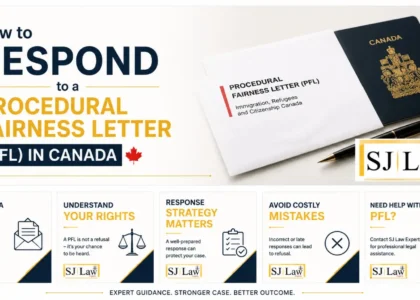
In legal terms, this is part of the “right to be heard.” Immigration authorities must allow applicants to address concerns before refusing them. However, this right only exists if you actually use it.
What Happens if You Ignore a Procedural Fairness Letter?
Ignoring a Procedural Fairness Letter is almost always treated as an admission that you cannot defend your application. Immigration officers interpret silence as a failure to rebut the concerns raised.
1. Immediate Visa Refusal
The most direct consequence is refusal of your application. Since you did not provide any clarification or evidence, the officer will make a decision based solely on the negative concerns already identified.
This means:
- Your application is rejected
- Your time and money are lost
- Your immigration process stops immediately
In many cases, the refusal could have been avoided with a proper response.
2. Misrepresentation Findings
If the concerns involve fake documents, incorrect information, or misleading claims, ignoring the letter can lead to a finding of misrepresentation. This is extremely serious.
A misrepresentation finding can result in:
- A 5-year ban from applying for visas
- Permanent damage to your immigration record
- Increased scrutiny in future applications
Even if the issue was unintentional, failure to respond makes it appear deliberate.
3. Permanent Record in Immigration History
Every refusal, especially one linked to a Procedural Fairness Letter, is recorded in your immigration history.
This record is accessible to:
- Future visa officers
- Border authorities
- Immigration systems across countries
It means that even if you apply again, your previous refusal will be reviewed, making approval more difficult.
4. Loss of Opportunity to Clarify Your Case
A PFL is your chance to explain misunderstandings, correct mistakes, and provide missing documents. Ignoring it removes that opportunity entirely. Think of it like being called to defend yourself in court, and choosing not to show up. The decision will be made without your side of the story.
5. Increased Difficulty in Future Applications
Once your application is refused due to ignoring a Procedural Fairness Letter, future applications become significantly harder.
You may face:
- More detailed background checks
- Additional document requirements
- Higher refusal risk
In many cases, applicants must provide stronger evidence and explanations just to overcome the previous refusal.
Why Do Applicants in Pakistan Ignore PFLs?
Understanding the reasons behind this mistake can help prevent it.
- Lack of Awareness: Many applicants don’t fully understand the seriousness of a Procedural Fairness Letter and assume it’s just another document request.
- Fear or Panic: Some applicants panic and avoid responding, thinking the case is already lost.
- Dependence on Agents: Unqualified agents may ignore the letter or fail to respond properly, leading to refusal.
- Short Deadlines: The limited response time (often 7–30 days) causes delays in gathering documents.
Legal Perspective: Why Ignoring a PFL is Risky
From a legal standpoint, ignoring a Procedural Fairness Letter weakens your position completely. Immigration officers are obligated to consider your response, but if there is none, they rely solely on negative evidence.
This creates:
- A one-sided case against you
- No opportunity for correction
- Strong justification for refusal
In 2026, with advanced verification systems, officers are less likely to overlook inconsistencies. Silence only confirms their concerns.
How to Respond Instead of Ignoring a PFL
If you receive a Procedural Fairness Letter, taking the right steps can save your application.
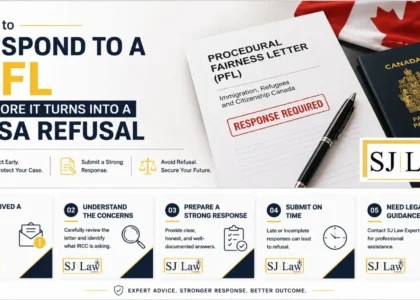
1. Understand the Concerns: Read the letter carefully and identify exactly what is being questioned.
2. Gather Strong Evidence
Collect original and verifiable documents such as:
- Bank statements
- Employment records
- Identity proofs
3. Write a Structured Explanation
Your response should:
- Address each concern directly
- Be clear and factual
- Avoid emotional language
4. Submit Before Deadline: Missing the deadline is treated the same as ignoring the letter.
Common Mistakes While Responding
Even when applicants respond, mistakes can still lead to refusal.
Avoid:
- Providing incomplete documents
- Giving vague explanations
- Submitting fake or altered evidence
- Ignoring specific questions in the letter
A weak response is almost as harmful as no response.
Role of SJ Law Experts in PFL Cases
Handling a Procedural Fairness Letter requires legal knowledge, strategic thinking, and precise documentation.
SJ Law Experts provide:
- Detailed case analysis
- Strong PFL response drafting
- Evidence preparation
- Legal guidance for complex cases
Their expertise helps applicants avoid refusal and improve approval chances, especially in high-risk cases involving financial or document concerns.
Real-World Scenario
Let’s consider two applicants:
- Applicant A ignores the PFL → Application refused + possible ban
- Applicant B responds with strong evidence → Concerns resolved → Visa approved
The difference is not the issue, it’s the response.
Advanced Tips to Avoid PFL Issues
Prevention is always better than defense.
- Submit genuine documents only
- Maintain consistent information across forms
- Avoid unreliable agents
- Keep financial records transparent
- Double-check all submissions
In 2026, accuracy and authenticity are non-negotiable.
Conclusion
Ignoring a Procedural Fairness Letter is not just a mistake, it’s a decision that can permanently damage your immigration future. From immediate visa refusal to long-term bans and credibility issues, the consequences are serious and often irreversible.
However, the situation is not hopeless. A PFL is also an opportunity, a final chance to defend your case, correct errors, and provide clarity. The outcome depends entirely on how you respond. If you receive a Procedural Fairness Letter, act quickly, prepare thoroughly, and respond strategically. And if the situation feels complex, professional guidance from SJ Law Experts can make the difference between refusal and approval.
FAQs
1. Can I ignore a Procedural Fairness Letter?
Technically yes, but it will almost always lead to visa refusal and possible long-term consequences.
2. What is the deadline to respond to a PFL?
Usually between 7 to 30 days, depending on the case.
3. Can I still get approval after receiving a PFL?
Yes, if you provide a strong and well-documented response.
4. Does ignoring a PFL lead to a ban?
It can, especially if the issue involves misrepresentation.
5. Can SJ Law Experts help with PFL responses?
Yes, they provide professional assistance to strengthen your case and improve approval chances.