
For couples in Pakistan hoping to unite in the United States, the USCIS I-129F Petition is a critical step in the immigration process. This petition, also known as the K-1 visa petition, allows a U.S. citizen to bring their foreign fiancé(e) to the U.S. so that they can get married within 90 days of arrival. Understanding the process, requirements, and timelines is essential for Pakistani applicants to avoid delays or rejections. In this guide, we break down the USCIS I-129F Petition process step by step, including eligibility, required documents, and tips for a successful application.
What is the USCIS I-129F Petition?
The USCIS I-129F Petition is a form filed by a U.S. citizen to sponsor their foreign fiancé(e) for a K-1 visa. Approval of this petition is the first step before the fiancé(e) can apply for a U.S. visa at a U.S. embassy or consulate in Pakistan. This petition demonstrates to U.S. immigration authorities that the relationship is genuine and that both parties intend to marry within 90 days of the fiancé(e) entering the United States.
Eligibility Criteria for Filing USCIS I-129F Petition
To file a USCIS I-129F Petition, the U.S. citizen petitioner must meet certain requirements:
- Must be a U.S. citizen (green card holders cannot file)
- Both parties must be legally free to marry
- The couple must have met in person within the last two years (with some exceptions)
- Intent to marry within 90 days of the fiancé(e) entering the U.S.
For Pakistani applicants, proving that the couple has met in person is often a key requirement that must be documented carefully.
Required Documents for USCIS I-129F Petition
From the U.S. Citizen Petitioner
- Completed Form I-129F
- Proof of U.S. citizenship (passport, birth certificate, or naturalization certificate)
- Passport-style photos of both petitioner and fiancé(e)
- Evidence of a bona fide relationship (photos together, chats, emails, and call logs)
- Statements of intent to marry
From the Foreign Fiancé(e)
- Copy of valid passport
- Birth certificate
- Divorce or death certificate of previous spouse(s) if applicable
- Police clearance certificates (later stage)
Proper organization of these documents is critical to avoid processing delays.
Step-by-Step Filing Process
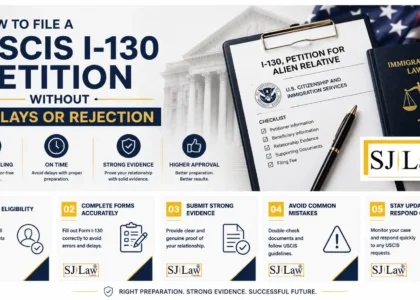
1. Complete Form I-129F: Fill out the USCIS I-129F Petition form accurately, ensuring all information matches supporting documents.
2. Prepare Supporting Evidence: Include evidence demonstrating the authenticity of your relationship, such as photos, travel records, and communication logs.
3. Pay Filing Fee: Submit the required USCIS fee along with your petition.
4. Submit to USCIS: Mail your petition to the designated USCIS Lockbox or Service Center.
5. USCIS Review: USCIS will review the petition and may request additional evidence (RFE) if necessary.
6. Approval and Forwarding to NVC: Once approved, USCIS sends the petition to the National Visa Center (NVC), which then forwards it to the U.S. embassy or consulate in Pakistan.
7. K-1 Visa Interview: The foreign fiancé(e) will attend a visa interview at the U.S. embassy in Islamabad or Karachi, where they must provide evidence of the relationship and pass medical and background checks.
Common Mistakes to Avoid
When filing a USCIS I-129F Petition, Pakistani applicants often make the following mistakes:
- Submitting incomplete or inconsistent forms
- Failing to provide evidence of in-person meeting
- Ignoring filing fees or deadlines
- Providing insufficient proof of genuine relationship
Avoiding these mistakes can greatly improve the chances of petition approval.
Processing Time for USCIS I-129F Petition
Processing times vary depending on USCIS workload and consulate schedules. Generally:
- USCIS approval: 6–9 months
- NVC processing and embassy scheduling: 1–3 months
- Total time from petition to K-1 visa issuance: 8–12 months
Applicants from Pakistan should plan accordingly and ensure all documents are accurate to avoid delays.
Tips for Strengthening Your Petition
- Maintain consistent communication records (calls, chats, emails)
- Include detailed letters describing your relationship history
- Provide photographs from meetings and family gatherings
- Prepare for possible Requests for Evidence (RFEs)
- Keep copies of all documents submitted
Role of Immigration Experts
While not mandatory, hiring an immigration consultant or lawyer can help:
- Ensure the USCIS I-129F Petition is completed correctly
- Organize supporting evidence professionally
- Advise on responses to RFEs
- Reduce the risk of delays or rejection
For Pakistani applicants, professional guidance can save time and reduce stress during this complex process.
Conclusion
Filing a USCIS I-129F Petition is a crucial step for Pakistani couples wishing to unite in the United States. Understanding the process, preparing accurate documents, and responding properly to any requests from USCIS can significantly increase the chances of approval. By following best practices and maintaining organized evidence of your relationship, you can navigate this complex process successfully and bring your fiancé(e) to the U.S. to start your life together.
FAQs
1. What is the purpose of USCIS I-129F Petition?
It allows a U.S. citizen to bring their foreign fiancé(e) to the U.S. for marriage within 90 days of arrival.
2. Can a green card holder file Form I-129F?
No, only U.S. citizens can file for a fiancé(e) visa.
3. How long does the process take from Pakistan?
Total processing time is usually 8–12 months, depending on USCIS and embassy scheduling.
4. What documents prove a genuine relationship?
Photos together, call logs, chat records, travel receipts, and letters explaining your relationship.
5. Is an in-person meeting mandatory?
Yes, within the last two years, unless an exemption applies.
6. Can I respond to a Request for Evidence (RFE) from Pakistan?
Yes, RFEs can be responded to by mailing or submitting documents as instructed by USCIS.