A Procedural Fairness Letter for Marriage is one of the most stressful moments in a spousal sponsorship journey, especially for applicants from Pakistan. If you’ve received one, don’t panic. It doesn’t mean your application is rejected. Instead, it means immigration authorities have concerns and are giving you a chance to respond. In Pakistan spousal sponsorship cases, these letters are commonly issued when the visa officer suspects a “marriage of convenience.” In simple terms, they want to confirm whether your relationship is genuine or just for immigration purposes. Now here’s the good news: many applicants successfully overcome this stage by submitting a strong and well-documented response. With the right strategy, you can turn things around.
What is a Procedural Fairness Letter?
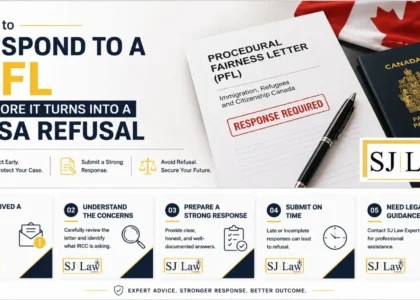
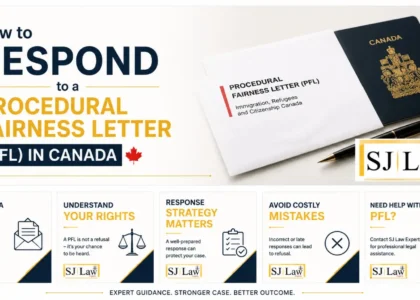
A Procedural Fairness Letter (PFL) is a formal communication sent by immigration authorities when they have doubts about your application. It ensures fairness by giving you an opportunity to explain or clarify issues before a final decision is made.
When is it Issued?
You may receive a Procedural Fairness Letter for Marriage if:
- The relationship appears inconsistent
- There are missing or weak documents
- Interview answers don’t align
- The officer detects possible fraud indicators
Understanding Marriage of Convenience Allegations
Definition and Legal Perspective: A marriage of convenience refers to a relationship entered primarily for immigration benefits rather than genuine companionship. Immigration authorities strictly assess such cases.
Common Red Flags
Some typical warning signs include:
- Short courtship period
- Large age gap
- Language barriers
- Limited communication history
- Few wedding attendees
These don’t automatically mean refusal—but they do raise questions.
Why Pakistani Applicants Receive Procedural Fairness Letters
In Pakistan, arranged marriages are common. However, immigration officers may not fully understand this dynamic, leading to unnecessary concerns.
Documentation Gaps
Applicants often fail to provide sufficient proof of:
- Relationship development
- Continuous communication
- Financial support
Interview Concerns: If interview responses contradict submitted documents, it can trigger a Procedural Fairness Letter for Marriage.
Key Elements of a Procedural Fairness Letter for Marriage
Officer’s Concerns
The letter clearly outlines what the officer doubts. This could be about:
- Relationship authenticity
- Timeline inconsistencies
- Lack of evidence
Response Deadline: Usually, applicants are given 7 to 30 days to respond. Missing this deadline can result in refusal.
Required Evidence
You’ll be asked to provide:
- Additional documents
- Written explanation
- Supporting proof
9 Powerful Steps to Respond to a Procedural Fairness Letter for Marriage
Responding correctly is critical. Here’s a structured approach:
Step-by-Step Guide
- Read the Letter Carefully: Understand each concern raised.
- Don’t Panic: A Procedural Fairness Letter for Marriage is not a rejection.
- Organize Your Evidence: Gather all supporting documents.
- Write a Clear Explanation: Address each concern individually.
- Be Honest and Transparent: Avoid exaggeration.
- Provide Strong Proof: Include photos, chats, and travel records.
- Maintain Consistency: Ensure your explanation matches previous submissions.
- Seek Professional Help: Immigration consultants can guide you.
- Submit Before Deadline: Always respond on time.
Documents to Include in Your Response
Relationship Proof
- Wedding photos
- Engagement pictures
- Family gatherings
Communication Records
- WhatsApp chats
- Call logs
- Emails
Financial Evidence
- Money transfers
- Joint accounts
- Gifts receipts
Mistakes to Avoid When Responding
Avoid these common errors:
- Ignoring specific concerns
- Submitting fake documents
- Writing vague explanations
- Missing the deadline
Even a small mistake can lead to refusal.
Sample Response Strategy
A strong response should include:
- Introduction explaining your relationship
- Detailed answers to each concern
- Supporting documents referenced clearly
For official immigration guidance, you can refer to:
👉https://www.canada.ca/en/immigration-refugees-citizenship.html
Role of Immigration Consultants and Lawyers
Professionals can:
- Analyze your case
- Draft strong responses
- Help organize documents
While not mandatory, they can significantly improve your chances.
Timeline After Submitting Response
After submitting your response:
- Review may take weeks to months
- Additional interviews may be scheduled
- Final decision will follow
Patience is key during this phase.
Chances of Approval After PFL
Many applicants successfully get approval after responding properly. Your chances depend on:
- Quality of response
- Strength of evidence
- Consistency of information
A well-prepared Procedural Fairness Letter for Marriage response can make all the difference.
Conclusion
Receiving a Procedural Fairness Letter for Marriage can feel overwhelming, but it’s also a second chance. Instead of seeing it as a setback, treat it as an opportunity to strengthen your application. By carefully addressing concerns, submitting strong evidence, and staying honest, you can successfully overcome this hurdle. Many Pakistani applicants have done it—and so can you. Stay calm, stay organized, and respond strategically. Your future together may depend on it.
FAQs
1. What is a Procedural Fairness Letter for Marriage?
It’s a notice from immigration authorities asking you to address concerns about your relationship.
2. Does receiving a PFL mean rejection?
No, it’s an opportunity to clarify issues before a final decision.
3. How much time do I have to respond?
Typically 7 to 30 days.
4. Can I respond without a lawyer?
Yes, but professional help can improve your chances.
5. What documents should I include?
Photos, communication records, financial proof, and written explanations.
6. What happens if I don’t respond?
Your application will likely be refused.