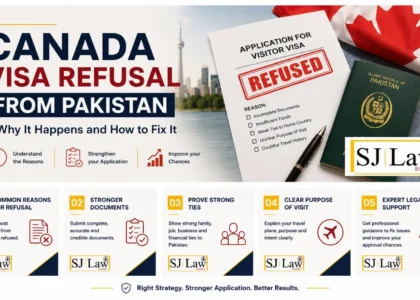
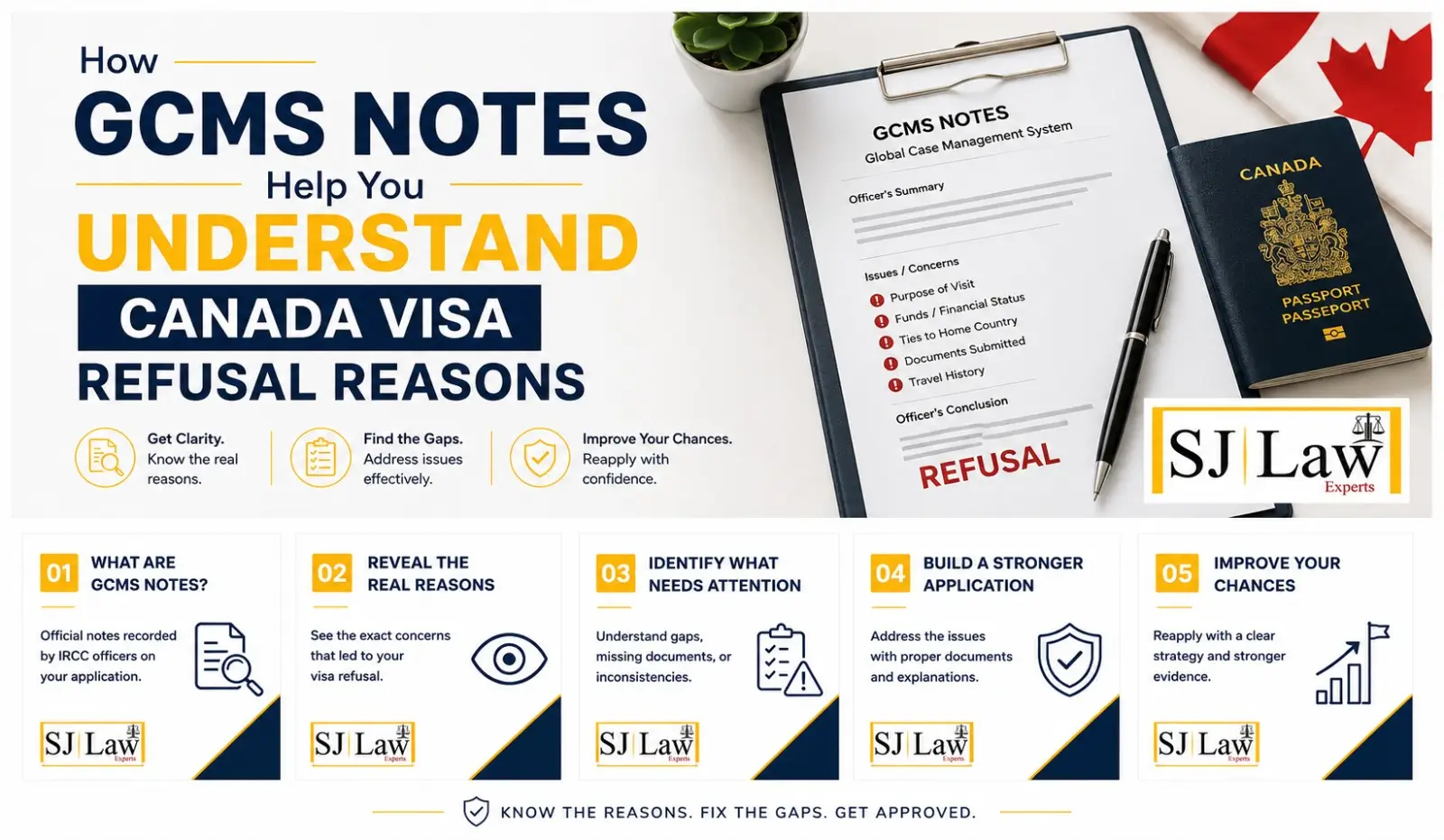
Your Canada visa refusal letter may be only a few lines long, but the real reasons behind the decision could be hidden deep inside your application file. GCMS Notes Canada Pakistan give you access to the immigration officer’s actual observations, helping you uncover what went wrong and how to build a stronger case for approval next time. For applicants in Pakistan, the situation can feel even more challenging because a refusal letter often contains generic statements rather than specific reasons. This is where GCMS Notes Canada Pakistan became extremely valuable. They provide a detailed look into how an immigration officer reviewed your application and what concerns led to the refusal.
Canada’s immigration system relies on the Global Case Management System (GCMS), which records every stage of visa processing. Immigration officers from Immigration, Refugees and Citizenship Canada (IRCC) document their observations, concerns, and assessments in this system. These internal records can reveal the exact issues that influenced the decision on your file. Instead of guessing why your application was refused, GCMS notes allow you to understand the officer’s perspective and prepare a stronger application in the future. Experts regularly recommend reviewing GCMS notes before reapplying because they provide a roadmap for correcting weaknesses in a refused application.
Understanding Canada Visa Refusals
Why Canada Visa Applications Get Refused
Canada visa applications are assessed according to strict immigration regulations. Visa officers review factors such as financial stability, travel history, purpose of travel, employment background, educational qualifications, and ties to the applicant’s home country. A refusal does not necessarily mean that the applicant is unqualified. In many cases, the officer simply believes that the evidence submitted was insufficient to satisfy legal requirements.
One of the most common misunderstandings among applicants is assuming that submitting more documents automatically guarantees approval. In reality, immigration officers evaluate the overall credibility and consistency of an application. If financial records appear unclear, travel plans seem vague, or employment evidence lacks credibility, the officer may refuse the application. Recent immigration guidance indicates that many refusals occur because the overall story presented in the application does not clearly demonstrate eligibility. Officers focus on clarity, consistency, and supporting evidence rather than document quantity alone.
The Limitations of Standard Refusal Letters
Most applicants receive a refusal letter containing broad statements such as insufficient financial resources, weak travel history, unclear purpose of visit, or inadequate ties to the home country. While technically accurate, these explanations rarely tell the full story. The refusal letter may not explain which specific document created concern or what evidence failed to convince the officer.
For example, a refusal may mention financial concerns. However, the officer may have specifically questioned a recent large deposit, inconsistent bank statements, or unexplained funding sources. Without access to detailed notes, applicants often reapply with the same documents and face another refusal. GCMS notes bridge this information gap by revealing the exact reasoning recorded by the immigration officer.
What Are GCMS Notes?
Meaning of GCMS Notes
The Global Case Management System is the primary database used by Canadian immigration authorities to manage immigration and visa applications. Every application submitted to IRCC generates records within this system. These records include document reviews, officer comments, eligibility assessments, communication history, and final decisions.
GCMS Notes Canada Pakistan refers to obtaining a copy of these internal records related to a specific immigration application. The notes provide valuable insights into how the application was processed. They often contain comments written directly by the reviewing officer, explaining concerns, observations, and reasons behind the final decision. These records are available through Canada’s Access to Information and Privacy procedures.
How IRCC Uses GCMS Notes
Immigration officers rely on GCMS to record every important action taken on an application. As documents are reviewed, observations are added to the file. Eligibility checks, background reviews, and document verifications are also recorded within the system. The notes create a detailed timeline of the decision-making process.
When a final decision is made, the officer usually records a summary explaining the rationale behind approval or refusal. This information can be critical because it often contains details that never appear in the official refusal letter. Understanding these internal comments can significantly improve an applicant’s ability to address weaknesses in future submissions.
Why GCMS Notes Matter for Pakistani Applicants
Common Challenges Faced by Applicants from Pakistan
Pakistani applicants often apply for visitor visas, study permits, work permits, and permanent residence programs. While many applications are successful, refusals can occur due to concerns regarding financial documentation, educational plans, employment verification, or travel history. Because refusal letters are often generalized, applicants may struggle to identify the real issue.
This uncertainty creates a cycle where applicants repeatedly submit new applications without addressing the underlying concern. As a result, multiple refusals may occur. Reviewing IRCC notes helps applicants understand whether the issue involves finances, purpose of visit, family ties, employment evidence, or another factor entirely.
Benefits of Reviewing Officer Notes
GCMS notes transform a refusal from a mystery into a learning opportunity. Instead of making assumptions, applicants gain direct insight into the officer’s evaluation process. The notes can reveal inconsistencies, missing information, or concerns about document credibility.
For example, if the officer believed employment documents lacked sufficient proof, the applicant can focus on obtaining stronger employer verification. If concerns involve study plans, a more comprehensive statement of purpose can be prepared. This targeted approach improves the chances of success in future applications. Immigration professionals frequently recommend reviewing GCMS notes before any reapplication strategy is developed.
Information Included in GCMS Notes
The information contained in GCMS notes is extensive and often ranges from 10 to 50 pages depending on the application type. These records provide far more detail than most applicants expect.
| Section | Information Included |
| Application History | Timeline of processing activities |
| Officer Notes | Detailed observations and concerns |
| Eligibility Assessment | Review of qualifications and requirements |
| Background Checks | Criminality and security screening status |
| Document Review | Assessment of submitted evidence |
| Final Decision | Approval or refusal reasoning |
Officer Assessments
Officer assessments are usually the most valuable section. These notes explain the officer’s thought process and highlight concerns that influenced the decision. Applicants often discover issues that were never mentioned in the refusal letter.
Eligibility Reviews
Eligibility reviews indicate whether specific requirements were met. For study permits, this may involve academic qualifications and program relevance. For visitor visas, it often relates to travel purpose and home country ties.
Background and Security Checks
The notes may show whether criminality, security, and information-sharing checks have been completed. This information can be particularly useful for applicants facing processing delays.
Document Verification Records
GCMS notes may indicate whether documents were verified or if officers had concerns about authenticity. These details can help applicants avoid similar issues in future applications.
Understanding Detailed Visa Refusal Reasons
Financial Concerns
Financial issues remain among the most common reasons for visa refusal. Officers assess whether applicants possess sufficient funds to support their stay in Canada. The concern is not always the amount of money available. Officers may question the source, consistency, or accessibility of funds.
Recent immigration analyses show that large unexplained deposits often trigger concerns. An applicant may have substantial funds, but if those funds appeared suddenly before application submission, officers may question their legitimacy. Proper documentation explaining the source of funds is often essential.
Weak Home Country Ties
Visa officers must be satisfied that temporary residents will leave Canada at the end of their authorized stay. Evidence of employment, family obligations, property ownership, and business interests often supports this assessment.
If officers believe an applicant lacks strong reasons to return home, a refusal may occur. GCMS notes frequently identify specific concerns about home country ties, allowing applicants to provide stronger evidence in future applications.
Travel History Issues
A limited or inconsistent travel history may affect credibility assessments. While lack of travel history alone does not guarantee refusal, officers sometimes consider it when evaluating overall risk. The notes can clarify whether travel history was a major concern or merely a secondary factor. Understanding this distinction helps applicants determine which areas require improvement.
Purpose of Visit Concerns
Applicants must clearly explain why they intend to visit Canada. Whether the purpose is tourism, education, employment, or family visits, the explanation must be supported by evidence. GCMS notes often reveal when officers considered travel plans unrealistic, poorly documented, or inconsistent with other information in the application. This insight is invaluable when preparing a future application.
How to Submit a GCMS Request Canada
Eligibility Requirements
A GCMS request Canada can generally be submitted through Canada’s Access to Information framework. Individuals outside Canada often use authorized representatives located in Canada to obtain the records. Proper consent documentation is typically required.
Processing Time and Costs
Processing times vary depending on workload and application complexity. Official timelines are generally around 30 days, although delays can occur. Costs are usually minimal compared to the value of the information received. Applicants should ensure all required consent forms and identifying information are completed accurately to avoid delays.
How to Read IRCC Notes Effectively
Key Sections to Review
When reviewing IRCC notes, applicants should focus on the final officer comments section. This area usually contains the most detailed explanation of concerns and reasoning. Reading the notes carefully helps identify patterns and recurring issues. Applicants should also review eligibility assessments, document reviews, and status updates. Together, these sections provide a complete picture of the application’s journey through the immigration system.
Common Codes and Terminology
GCMS notes often include abbreviations and technical references. Examples include codes related to study permits, visitor visas, work permits, and eligibility reviews. Understanding these codes helps applicants interpret the notes accurately. Terms such as “Review Required” can cause unnecessary anxiety. In many situations, they simply indicate that additional officer review was necessary rather than guaranteeing a refusal. Understanding the context of these terms is important before drawing conclusions.
Using GCMS Notes to Strengthen a New Application
The true value of GCMS Notes Canada Pakistan lies in their ability to guide future applications. Instead of guessing why a refusal occurred, applicants can focus on specific weaknesses identified by the officer. This creates a strategic approach to reapplication rather than a trial-and-error process. For example, if the officer questioned financial stability, applicants can provide more comprehensive financial evidence. If educational goals appear unclear, a stronger study plan can be prepared. If employment documentation raises concerns, additional verification letters can be obtained. Each improvement directly addresses an issue identified in the notes.
Conclusion
A Canada visa refusal does not have to be the end of your immigration journey. The most effective way to understand what happened is by obtaining and reviewing GCMS Notes Canada Pakistan. These internal records provide detailed insight into the immigration officer’s decision-making process and reveal concerns that often remain hidden in standard refusal letters. Whether the issue involves finances, travel history, purpose of visit, or home country ties, GCMS notes help transform uncertainty into actionable information. By carefully reviewing IRCC notes, understanding visa refusal reasons detailed in the file, and addressing identified weaknesses, applicants can prepare stronger and more convincing applications. Knowledge is one of the most powerful tools in immigration, and GCMS notes provide exactly the knowledge needed to move forward with confidence.
1. What are GCMS Notes in Canada immigration?
GCMS Notes are internal records maintained by IRCC that contain officer comments, application history, eligibility assessments, and decision-making details.
2. Why should Pakistani applicants request GCMS notes?
Pakistani applicants can use GCMS notes to understand the exact reasons behind a visa refusal and improve future applications.
3. How long does a GCMS request Canada take?
Most requests are processed within approximately 30 days, although delays may occur depending on workload and case complexity.
4. Can GCMS notes help after a study permit refusal?
Yes. GCMS notes often reveal detailed concerns related to finances, study plans, educational background, and future intentions.
5. Are GCMS notes useful even if my application is still processing?
Yes. They can provide updates regarding application progress, review stages, eligibility assessments, and pending checks.