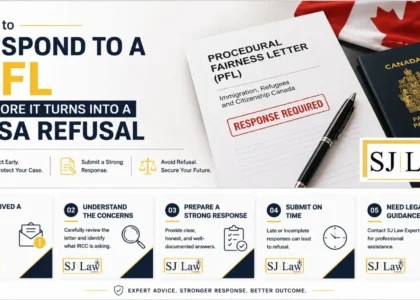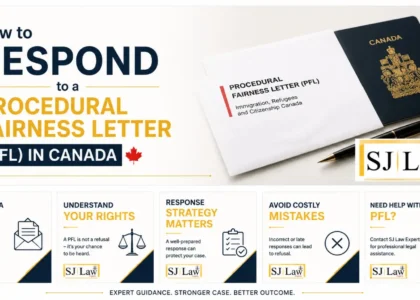
For many Pakistani couples applying for a Canadian spouse visa, receiving an IRCC Procedural Fairness Letter (PFL) after the interview can be alarming. A PFL does not mean your application is rejected, it simply indicates that the visa officer has concerns regarding your application and is giving you a chance to respond. Understanding PFL vs Spouse Visa concerns is critical for preparing an effective response and improving your chances of approval. This guide breaks down the process step by step, helping Pakistan applicants navigate this complex stage with confidence.
What is an IRCC Procedural Fairness Letter?
An IRCC Procedural Fairness Letter is a formal notice sent to applicants when a visa officer identifies concerns about a spouse visa application. Its primary purpose is to:
- Allow applicants to address concerns before a final decision
- Ensure fairness and transparency in the immigration process
- Highlight specific issues in the application
PFL vs Spouse Visa: Key Differences
It’s important to understand the distinction between a standard spouse visa process and a PFL situation:
| Feature | Spouse Visa | Procedural Fairness Letter (PFL) |
| Purpose | Apply for permanent residence as a spouse | Address officer’s concerns before refusal |
| Timing | After submitting application | After visa interview or initial review |
| Action Required | Standard processing | Respond with explanation & evidence |
| Outcome | Approval or refusal | Decision depends on response quality |
A clear understanding of PFL vs Spouse Visa ensures applicants respond appropriately and avoid missteps.
Why Pakistani Applicants Receive a PFL
Several factors can trigger a PFL after a spouse visa interview, including:
- Incomplete documentation, missing proof of relationship
- Inconsistent statements, discrepancies during interviews
- Short courtship period, officer may question relationship authenticity
- Communication gaps, insufficient messages, calls, or visits
- Previous immigration history, prior refusals or visa issues
Key Concerns Highlighted in PFL vs Spouse Visa Cases
When IRCC issues a PFL, it usually outlines specific concerns such as:
- Relationship authenticity doubts
- Limited or missing proof of joint life
- Insufficient evidence of financial or emotional support
- Contradictions in interview responses
Identifying these concerns helps applicants address them effectively.
How to Respond to a PFL After Spouse Visa Interview
1. Read the Letter Thoroughly: Carefully note each concern raised by the officer. Missing any point can weaken your response.
2. Organize Your Evidence
Gather supporting documents such as:
- Photos of the couple together
- Communication records (WhatsApp, emails, calls)
- Travel records of visits
- Financial documents (joint accounts, money transfers)
3. Write a Clear Explanation: Address each concern individually. Provide honest and detailed explanations.
4. Be Consistent: Ensure your response aligns with previous statements and documents.
5. Submit Before the Deadline: Most PFLs allow 7 to 30 days to respond. Missing this deadline can lead to refusal.
Documents to Include in Your Response
Relationship Proof
- Wedding and engagement photos
- Family gatherings
- Social media posts showing relationship
Communication Evidence
- Chats, call logs, emails
- Messages spanning the duration of your relationship
Travel and Visit Records
- Flight tickets
- Hotel bookings
- Visa stamps
Financial Support Evidence
- Bank transfers
- Joint accounts or expenses
- Gift receipts
Professional Assistance for PFL vs Spouse Visa Cases
While not mandatory, consulting an immigration expert can:
- Analyze the PFL thoroughly
- Help structure a strong response
- Ensure supporting documents are correctly presented
This is especially helpful for complex Pakistani spouse visa cases.
Processing After Submitting Response
Once submitted:
- IRCC reviews the response carefully
- Additional interviews may be scheduled
- Final decision depends on the strength and clarity of your response
Patience is key, as processing may take several weeks.
Tips to Strengthen Your Response
- Maintain consistent and ongoing communication with your spouse
- Keep detailed records of meetings, calls, and messages
- Include family and friends as witnesses if applicable
- Be honest and thorough in your explanation
SJ Law Experts Will Help You
Navigating a PFL vs Spouse Visa situation can be challenging, especially for applicants from Pakistan. SJ Law Experts specialize in Canadian immigration and provide professional guidance throughout the entire process. They can carefully review your Procedural Fairness Letter, help organize and prepare all supporting documents, and draft a clear and persuasive response addressing each concern. Additionally, they advise on timelines and deadlines to ensure your response is submitted correctly and on time. With their expertise, SJ Law Experts can also communicate with IRCC on your behalf if necessary, significantly improving your chances of successfully overcoming the concerns raised in your PFL and moving forward with your spouse visa application.
Conclusion
Receiving an IRCC Procedural Fairness Letter after a spouse visa interview may seem daunting, but it is an opportunity to prove your relationship’s authenticity. Understanding PFL vs Spouse Visa concerns and responding carefully with proper documentation can significantly increase your chances of approval. For Pakistani applicants, staying organized, honest, and proactive is key. With a well-prepared response, couples can overcome concerns and move forward with their Canadian immigration journey.
FAQs
1. What is a PFL after a spouse visa interview?
It’s a notice from IRCC asking applicants to clarify concerns before a final decision is made.
2. Does receiving a PFL mean my spouse visa is rejected?
No, it gives you a chance to respond and potentially save your application.
3. How much time do I have to respond?
Typically 7 to 30 days from the date of the PFL.
4. Can I respond without a lawyer?
Yes, but professional guidance can improve your chances of success.
5. What documents should I include?
Relationship photos, communication records, travel documents, and financial evidence.
6. What happens if I miss the response deadline?
Your spouse visa application may be refused.