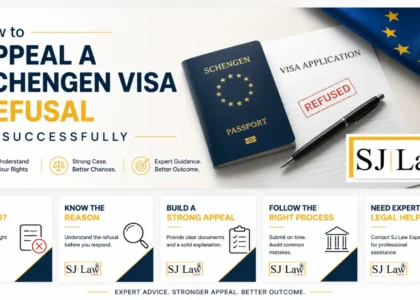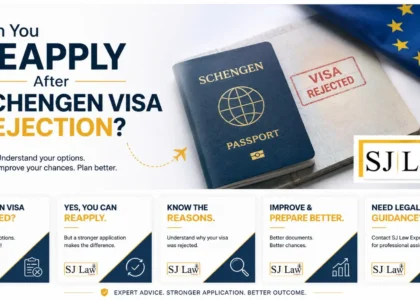
Getting a Schengen Visa Norway Pakistan refusal can feel frustrating, stressful, and financially draining. Many Pakistani applicants spend months preparing travel plans, arranging bank statements, booking hotels, and collecting documents, only to receive a refusal letter with confusing reasons. For some people, it feels like hitting a brick wall after investing time, hope, and money into the process. The worst part? Most applicants do not fully understand why the refusal happened or what legal remedies are available afterward. The good news is that a refusal does not always mean the end of your immigration journey.
There are several legal options available, including appeals, reapplications, document strengthening, and professional legal assistance. Understanding the actual refusal reason is the first step toward finding the right Schengen Visa Norway Pakistan Refusal Solution. This guide explains the most common refusal reasons, the Norway appeal process, legal remedies, and how applicants from Pakistan can improve their chances of approval in future submissions.
Common Norway Visa Refusal Reasons Pakistan Schengen Visa
Understanding the exact refusal reason is critical because each refusal requires a different legal strategy. Many applicants make the mistake of reapplying immediately without correcting the original problem. That approach often leads to repeated refusals and damages future immigration credibility.
Insufficient Financial Proof
One of the most common refusal reasons is weak financial documentation. Norwegian authorities want proof that applicants can comfortably manage travel expenses without relying on illegal work or external support during the trip.
Common financial problems include:
- Sudden large deposits
- Unexplained bank transactions
- Low account balances
- Fake financial documents
- Inconsistent income records
- Weak sponsor documentation
Immigration officers carefully examine six-month bank history rather than just the closing balance. A bank account that suddenly receives a large amount shortly before application often raises suspicion.
Weak Travel History
Applicants with no previous international travel sometimes face additional scrutiny. A clean travel history is not automatically a refusal reason, but it can affect credibility when combined with weak documentation. Visa officers often assess whether the applicant has previously respected immigration laws in other countries. Previous visits to countries like Turkey, UAE, Saudi Arabia, UK, or Malaysia may strengthen the overall application profile.
Doubts About Return Intentions
This is one of the broadest and most misunderstood refusal grounds. Norwegian authorities may believe the applicant lacks sufficient ties to Pakistan and might overstay in Europe.
Strong ties usually include:
- Stable employment
- Business ownership
- Family responsibilities
- Property ownership
- Educational commitments
A young applicant with no job, no property, and limited travel history may struggle to convince authorities of genuine return intentions.
Incomplete or Contradictory Documents
Even small inconsistencies can create serious credibility concerns. For example:
- Different salary figures in documents
- Hotel bookings that appear fake
- Mismatched travel dates
- Incorrect sponsor letters
- Missing tax records
Schengen embassies share data internally, and fraudulent submissions may affect future applications across Europe.
Schengen Visa Norway Pakistan Refusal Solution
A refusal does not permanently ban you from applying again. The key is identifying the legal weakness in the previous application and fixing it properly.
Analyze the Refusal Letter Carefully
The refusal letter is extremely important because it explains the legal grounds for rejection. Many applicants ignore this document and simply reapply with the same paperwork. That strategy rarely works.
The refusal notice generally includes coded reasons related to:
- Financial insufficiency
- Purpose of stay doubts
- Weak return ties
- Suspicious documentation
- Incomplete records
Every refusal reason requires a different legal remedy.
Strengthen Supporting Evidence
After identifying the refusal ground, applicants should rebuild the file professionally. Think of the second application like repairing cracks in a building foundation before rebuilding the structure.
Possible improvements include:
| Problem | Solution |
| Weak finances | Improve genuine bank history |
| Limited travel history | Travel to visa-friendly countries first |
| Employment concerns | Add stronger employer documents |
| Sponsorship issues | Submit verified sponsor evidence |
| Weak purpose of travel | Add detailed travel itinerary |
Strong documentation creates trust and reduces doubts during reassessment.
Reapply With Improved Documentation
In many cases, reapplication works better than appeal, especially when refusal happens because of weak evidence rather than legal misunderstanding. A fresh application allows applicants to submit stronger records and correct earlier deficiencies. Applicants should avoid rushing into reapplication immediately after refusal. Taking time to improve the file often leads to better results.
How to Appeal Schengen Visa Refusal Norway Pakistan
Appealing a Schengen visa refusal is a legal right available to Pakistani applicants. If the applicant believes the refusal decision was unfair or legally incorrect, an appeal may be submitted according to Norwegian immigration procedures.
When Should You Appeal?
Appeals are generally useful when:
- The embassy misunderstood documents
- Important evidence was ignored
- The refusal was legally unreasonable
- Financial proof was sufficient
- The refusal resulted from procedural error
An appeal may not be effective if the original application genuinely lacked strong documentation.
Appeal Submission Process
The appeal process usually involves:
- Preparing a detailed appeal letter
- Addressing refusal grounds individually
- Submitting supporting evidence
- Explaining misunderstandings clearly
- Following embassy deadlines
Appeal letters should remain professional, factual, and legally focused. Emotional arguments rarely help immigration cases.
Important Appeal Considerations
Many Pakistani applicants make the mistake of writing emotional or aggressive appeal letters. Immigration officers focus on evidence, consistency, and legal compliance rather than personal frustration.
A professional appeal should:
- Explain facts logically
- Address refusal points directly
- Include supporting proof
- Avoid emotional language
- Maintain legal clarity
Schengen Visa Rejection Norway Pakistan Legal Remedies
A refusal does not automatically close future immigration opportunities. Several legal remedies may still be available depending on the circumstances.
- Fresh Reapplication: This is the most common remedy. Applicants may submit a stronger application after correcting previous deficiencies. A properly improved reapplication often succeeds even after earlier refusal.
- Administrative Appeal: Applicants may challenge the refusal through formal appeal procedures if they believe the decision was unfair or mistaken.
- Judicial Review: In rare and complex cases, legal review options may exist under Norwegian administrative procedures, particularly if procedural fairness issues arise.
- Immigration Legal Assistance: Professional immigration lawyers can evaluate refusal notices, identify legal weaknesses, and recommend the best strategy between appeal or reapplication.
Immigration Lawyer Pakistan Schengen Visa Refusal Help
Professional legal guidance becomes especially important when applicants face repeated refusals or complicated immigration histories. Immigration law is technical, and even small documentation mistakes can damage future visa credibility.
An experienced immigration lawyer may help with:
- Refusal analysis
- Appeal drafting
- Document verification
- Financial evidence preparation
- Sponsor documentation review
- Reapplication strategy
- Legal representation guidance
Think of an immigration lawyer like a navigator during a storm. While applicants can travel alone, professional guidance helps avoid dangerous mistakes and improves direction.
How SJ Law Experts Helps
SJ Law Experts provides professional legal assistance for Pakistani applicants dealing with Schengen visa refusals, immigration complications, and international visa documentation issues. Many applicants struggle because they do not understand the technical reasons behind refusal letters. SJ Law Experts help clients analyze refusal grounds carefully and build stronger legal strategies for appeal or reapplication.
The legal team assists with:
- Reviewing Norway visa refusal letters
- Preparing professional appeal submissions
- Organizing financial documentation
- Drafting sponsor affidavits
- Identifying weak points in previous applications
- Advising on reapplication timing
- Providing immigration consultation for Schengen matters
Every immigration case is different. Some refusals require fresh documentation, while others require legal clarification through appeal procedures. SJ Law Experts focus on building structured and legally compliant visa files that improve applicant credibility and reduce future refusal risks. For applicants facing repeated refusals, professional legal guidance often prevents additional mistakes that could negatively affect long-term immigration records.
Tips to Improve Norway Schengen Visa Approval Chances
Strong preparation significantly improves approval chances for Pakistani applicants. Visa success usually depends on consistency, transparency, and realistic travel intentions.
- Maintain Genuine Financial Records: Avoid artificial bank transactions or temporary borrowed funds. Immigration officers are trained to identify suspicious financial behavior.
- Submit Accurate Information: Every statement in the application should match supporting documents. Even small contradictions may create credibility concerns.
- Build Travel History Gradually: Travel to visa-friendly countries before applying for Schengen visas can improve overall travel credibility.
- Provide Strong Return Ties: Stable employment, business ownership, family obligations, and property records help prove return intentions.
- Avoid Fake Documents: Fraudulent documents may trigger long-term immigration consequences across multiple countries.
Conclusion
Facing a Schengen Visa Norway Pakistan refusal can feel discouraging, but it does not mean your European travel goals are permanently blocked. Most refusals happen because of weak documentation, financial inconsistencies, insufficient travel history, or doubts about return intentions. The important thing is understanding the real refusal reason and choosing the correct legal remedy afterward.Some applicants benefit more from a carefully prepared reapplication, while others may have strong grounds for formal appeal. Every case requires strategic evaluation rather than emotional reactions. Immigration authorities assess evidence, consistency, and credibility above everything else. With proper preparation, professional legal guidance, and transparent documentation, Pakistani applicants can significantly improve their chances of Schengen visa approval for Norway in future applications.
1. Can I apply again after a Norway Schengen visa refusal?
Yes, Pakistani applicants can reapply after refusal. It is important to correct the original weaknesses before submitting a new application.
2. How long does a Norway Schengen visa appeal take?
Appeal timelines vary depending on case complexity and embassy processing workload.
3. Does one Schengen refusal affect future applications?
A refusal does not automatically ban future visas, but repeated refusals without improvement may reduce credibility.
4. Is travel history important for Norway Schengen visas?
Yes, previous lawful international travel may strengthen applicant credibility during visa assessment.
5. Should I appeal or reapply after refusal?
It depends on the reason for refusal. Appeals work better for unfair decisions, while reapplications often help when documentation is weak.