
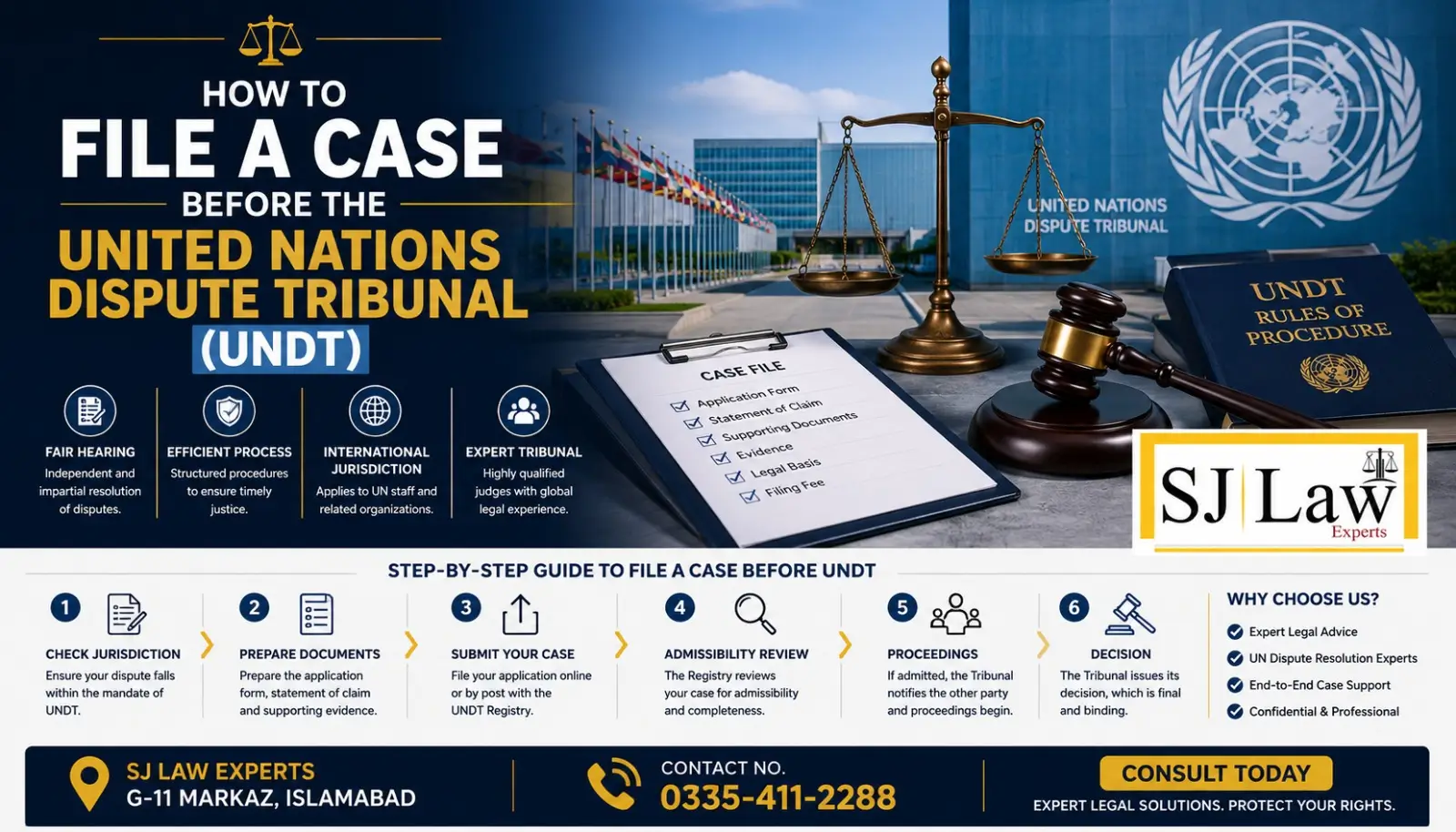
The United Nations Dispute Tribunal (UNDT) plays a vital role in protecting the rights of UN staff members. It serves as the first-instance court within the United Nations internal justice system and hears cases brought by employees who believe that an administrative decision has violated their rights. Whether the issue involves employment termination, disciplinary action, contract disputes, performance evaluations, or workplace discrimination, the UNDT provides a formal legal forum where staff members can seek justice.
Understanding the filing process is essential for anyone considering legal action. While the procedure is designed to ensure fairness, it involves strict deadlines, documentation requirements, and legal standards. Working with an experienced UNDT lawyer can help applicants navigate the process effectively and improve their chances of presenting a strong case.
What Is the United Nations Dispute Tribunal?
The United Nations Dispute Tribunal is an independent judicial body established as part of the UN’s internal justice system. Its purpose is to resolve employment-related disputes between the United Nations and its staff members. The tribunal reviews administrative decisions that staff members believe are unlawful, unfair, or inconsistent with UN regulations and rules. The tribunal has the authority to rescind decisions, award compensation, order specific actions, and provide other remedies when justified. The UNDT functions independently from UN management, ensuring impartial review of employment-related disputes.
Who Can File a Case Before the UNDT?
Generally, the following individuals may bring claims before the tribunal:
- Current UN staff members
- Former staff members
- Individuals claiming rights under a UN employment contract
- Certain beneficiaries or representatives in specific circumstances
The applicant must demonstrate that they have been directly affected by an administrative decision and have legal grounds to challenge it. Before filing a case, it is often advisable to consult a UNDT lawyer to assess whether the matter falls within the tribunal’s jurisdiction.
Common Types of Cases Heard by the UNDT
The tribunal handles a wide range of employment-related disputes.
Common examples include:
- Contract non-renewal disputes
- Termination of employment
- Disciplinary measures
- Harassment and discrimination claims
- Promotion and recruitment disputes
- Salary and benefits issues
- Performance evaluation challenges
- Administrative decision reviews
These cases often involve complex legal and procedural issues that require careful preparation.
Understanding UN Staff Legal Rights
Every staff member employed by the United Nations enjoys specific legal protections under UN rules and regulations. These protections are designed to ensure fairness, transparency, and accountability within the organization.
Some important UN staff legal rights include:
- The right to due process
- The right to challenge administrative decisions
- Protection against discrimination
- Access to internal justice mechanisms
- The right to present evidence and arguments
- The right to legal representation
Understanding these rights is essential before initiating any legal proceedings before the tribunal.
Preliminary Steps Before Filing a Case
Before submitting an application to the UNDT, staff members are often required to pursue management evaluation or other preliminary procedures depending on the nature of the dispute. Management evaluation allows the administration to review the challenged decision and potentially resolve the matter before formal litigation begins. Failure to complete mandatory preliminary procedures may result in dismissal of the case. This is one reason why legal guidance from a qualified UNDT lawyer can be extremely valuable.
UNDT Case Filing Procedure
Understanding the UNDT Case Filing Procedure is critical for ensuring compliance with tribunal requirements.
Step 1: Identify the Administrative Decision
The applicant must identify the specific administrative decision being challenged. This decision forms the basis of the legal claim.
Step 2: Request Management Evaluation
In many cases, the staff member must first seek management evaluation within the applicable deadline.
Step 3: Gather Supporting Evidence
Relevant documentation should be collected, including:
- Employment contracts
- Administrative decisions
- Internal correspondence
- Performance evaluations
- Witness statements
- Relevant policies and regulations
Strong evidence significantly strengthens the applicant’s position.
Step 4: Prepare the Application
The application should clearly explain:
- The facts of the case
- Legal arguments
- Rights allegedly violated
- Requested remedies
Applications must be complete, accurate, and supported by evidence.
Step 5: Submit the Case
The application is filed with the UNDT through the prescribed filing system and within the required time limits. Missing deadlines can jeopardize the entire case.
The UN Dispute Tribunal Process
After filing, the UN dispute tribunal process generally follows several stages.
- Case Registration: The tribunal reviews the application and formally registers the matter.
- Response from the Administration: The United Nations administration submits its response to the claims raised by the applicant.
- Exchange of Submissions: Both parties may submit additional legal arguments, evidence, and supporting documentation.
- Hearings: In some cases, hearings may be conducted where witnesses are examined and legal arguments are presented.
- Tribunal Judgment: After reviewing all materials, the tribunal issues a written judgment explaining its findings and decision. The tribunal may order remedies when it determines that the challenged administrative decision was improper.
Importance of Legal Representation
Although staff members may represent themselves, legal representation often provides significant advantages.
A skilled UNDT lawyer can:
- Evaluate the strength of the case
- Identify procedural requirements
- Prepare legal submissions
- Organize evidence
- Cross-examine witnesses
- Present persuasive legal arguments
Employment disputes within international organizations often involve complex legal principles that require specialized knowledge.
Common Mistakes to Avoid
Many applicants weaken their cases by making avoidable mistakes.
Common errors include:
- Missing filing deadlines
- Failing to complete management evaluation
- Submitting insufficient evidence
- Presenting unclear legal arguments
- Ignoring procedural requirements
- Delaying legal consultation
Careful preparation helps prevent these issues and improves the quality of the application.
How SJ Law Experts Helps
SJ Law Experts provides legal assistance to individuals seeking to protect their employment rights before international tribunals. Their experienced legal team helps clients understand the UNDT Case Filing Procedure, prepare legal submissions, gather supporting evidence, and navigate the UN dispute tribunal process effectively. Whether the dispute involves disciplinary action, contract issues, discrimination claims, or administrative decisions, SJ Law Experts works to protect UN staff legal rights through professional legal representation and strategic guidance.
Benefits of Early Legal Advice
Seeking legal advice early can significantly improve the outcome of a case. Early consultation allows potential issues to be identified before deadlines expire and ensures that critical evidence is preserved. An experienced UNDT lawyer can develop a clear legal strategy from the beginning and help applicants avoid procedural mistakes that could affect their claims. Early preparation often results in stronger applications and more effective case presentation.
Conclusion
The United Nations Dispute Tribunal provides an essential avenue for staff members seeking to challenge unfair administrative decisions. Understanding the filing requirements, procedural rules, and legal standards is critical for achieving a successful outcome. By following the proper UNDT Case Filing Procedure, gathering strong evidence, and respecting all deadlines, applicants can effectively pursue their claims. Working with an experienced UNDT lawyer can further strengthen the case and help protect important UN staff legal rights throughout the UN dispute tribunal process.
What is the role of the UNDT?
The UNDT hears employment-related disputes between the United Nations and its staff members.
Can former UN employees file a case?
Yes, former staff members may file claims in certain circumstances if they meet eligibility requirements.
Is legal representation mandatory before the UNDT?
No, but professional legal representation can significantly improve case preparation and presentation.
What happens if I miss a filing deadline?
Missing deadlines may result in dismissal of the case, making timely action extremely important.
Can the UNDT award compensation?
Yes, the tribunal may order compensation or other remedies if it finds that an administrative decision violated the applicant’s rights.
