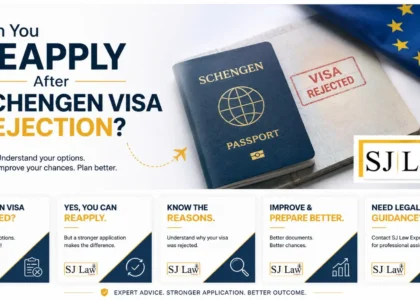
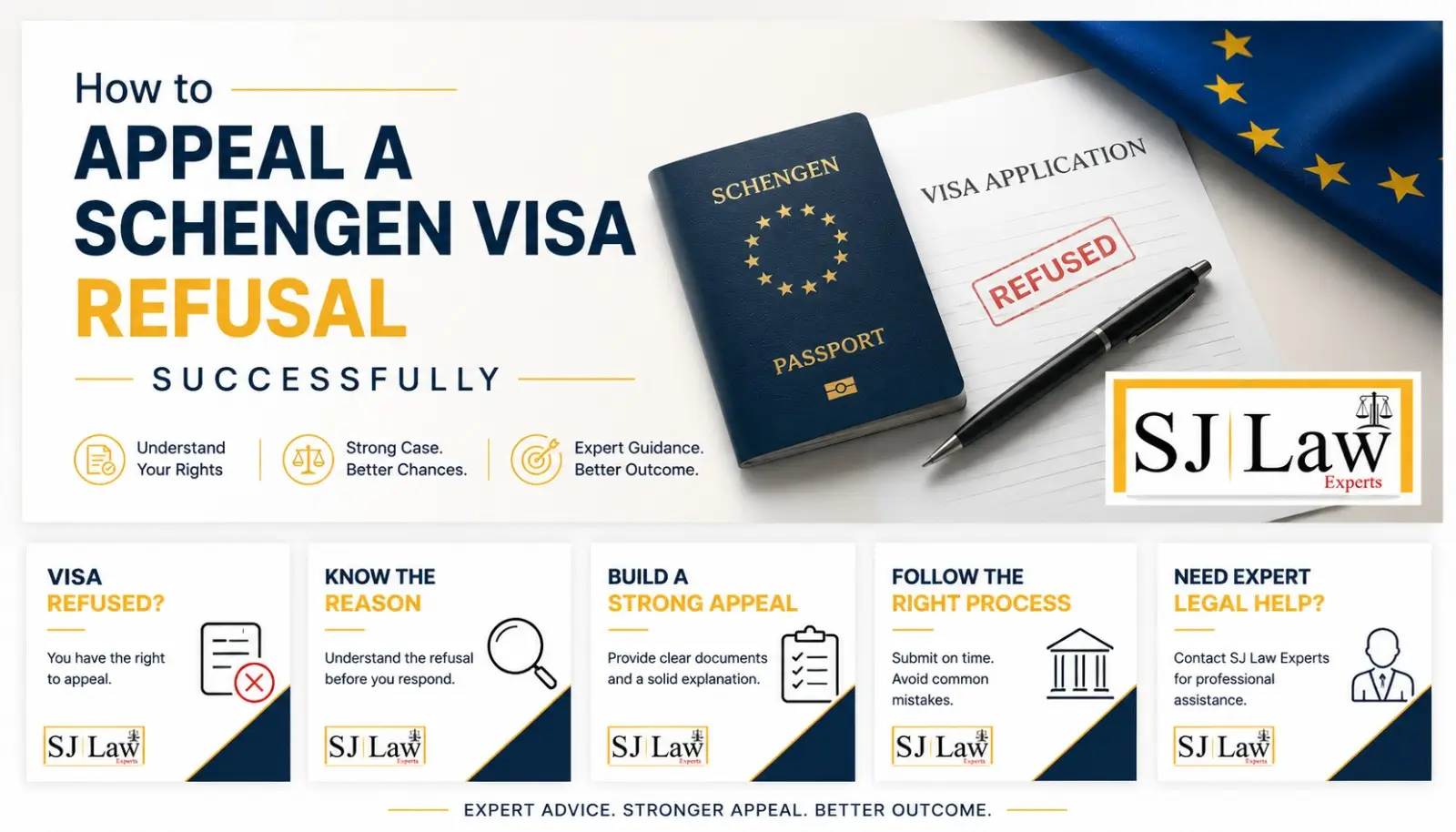
A Schengen Visa Refusal can disrupt important travel plans, whether the purpose is tourism, family visits, business, or education. Many applicants assume that a refusal ends their chances of entering Europe, but this is not always true. Several Schengen countries provide legal remedies through appeals or reconsideration procedures. Understanding the Schengen appeal process is essential for applicants who believe their refusal was unfair or based on incomplete information. A properly prepared appeal can address embassy concerns and improve the chances of reversing a refusal decision. This guide explains how to appeal a Schengen visa refusal successfully and what applicants from Pakistan should know before taking legal action.
Understanding Schengen Visa Refusal
A Schengen Visa Refusal occurs when embassy or consular authorities determine that an applicant does not meet visa conditions under the Schengen Visa Code. The refusal notice generally mentions specific grounds.
Common refusal reasons include:
- Insufficient financial evidence
- Weak travel purpose
- Missing documentation
- Doubts about return intentions
- Travel insurance problems
- Lack of accommodation proof
- Inconsistent information
The refusal letter becomes the starting point for understanding available legal remedies.
Can You Appeal a Schengen Visa Refusal?
Yes. Many Schengen member states permit appeals against refusal decisions. However, procedures vary depending on the issuing country.
The Schengen appeal process may involve:
- Administrative review
- Written appeal submission
- Supporting legal arguments
- Additional evidence
Some countries impose strict deadlines, making prompt action important.
Appeal or Reapply: Which Option Is Better?
After a Schengen Visa Refusal, applicants generally choose between:
Filing an Appeal
An appeal challenges the refusal decision. This option may work where:
- Embassy misunderstood facts
- Evidence was overlooked
- Administrative errors occurred
- Refusal lacks proper justification
Appeal focuses on correcting legal or factual errors.
Submitting a Fresh Application
Some applicants prefer reapplication. This approach may suit cases involving:
- Missing documents
- Weak finances
- Poor travel planning
- Insufficient supporting evidence
The correct strategy depends on refusal reasons and embassy practices.
Step 1: Review the Refusal Letter Carefully
The refusal notice explains embassy concerns. Before preparing a Visa appeal Europe strategy, review:
- Refusal grounds
- Legal references
- Missing evidence
- Embassy observations
Appealing without understanding refusal reasons often leads to failure.
Step 2: Understand the Appeal Deadline
Many appeals fail simply because applicants miss filing deadlines. Different Schengen countries may allow:
- 15 days
- 30 days
- Country-specific periods
Prompt legal evaluation is important. Ignoring timelines may eliminate appeal rights.
Step 3: Gather Supporting Evidence
Strong documentation plays a central role in the Schengen appeal process.
Applicants may need:
- Updated bank statements
- Employment verification
- Travel itinerary
- Accommodation proof
- Invitation letters
- Insurance documents
- Family or business ties evidence
Supporting evidence should directly address refusal concerns.
Step 4: Draft a Professional Appeal Letter
The appeal letter should be clear and professional.
It generally includes:
- Applicant information
- Refusal reference number
- Grounds for appeal
- Legal or factual clarification
- Supporting evidence explanation
A persuasive appeal explains why refusal should be reconsidered. Professional drafting often improves presentation and clarity.
Step 5: Submit Appeal Properly
Submission procedures differ by country. Some embassies accept:
- Direct embassy submissions
- Postal filing
- Online portals
- Legal representative submissions
Following official instructions reduces procedural problems. A complete Visa appeal Europe filing strengthens credibility.
Common Mistakes During Schengen Appeals
Applicants sometimes weaken their cases by making avoidable mistakes.
Avoid:
- Emotional Arguments: Appeals should rely on facts and evidence rather than frustration.
- Repeating the Same Documents: Updated or stronger documentation is usually necessary.
- Missing Deadlines: Late appeals may be rejected automatically.
- Using False Information: Misrepresentation may lead to bans and future immigration problems. Successful Schengen Visa Refusal appeals require honesty and preparation.
How Long Does the Appeal Process Take?
Appeal timelines vary. Processing may depend on:
- Country procedures
- Case complexity
- Embassy workload
- Additional verification
Some appeals conclude within weeks while others take longer. Applicants should prepare for varying response periods.
Schengen Visa Appeal Process from Pakistan
Applicants in Pakistan should pay special attention to document quality and credibility. Important considerations include:
Strong Financial Records
Provide:
- Six-month bank statements
- Salary proof
- Tax records
- Business documents where relevant
Avoid unexplained deposits.
Clear Travel Purpose: A genuine and detailed itinerary supports credibility.
Strong Home Ties: Evidence of employment, family, education, or business connections may reduce overstay concerns. These elements can strengthen the Schengen appeal process for Pakistani applicants.
When Legal Guidance May Help
Complex refusal cases may require professional review.
Legal assistance may help:
- Analyze refusal grounds
- Draft appeal letters
- Organize supporting evidence
- Review embassy procedures
- Identify stronger legal arguments
Repeated refusals often benefit from professional evaluation.
How SJ Law Experts Helps
At SJ Law Experts, we understand how stressful a Schengen Visa Refusal can be for applicants and families in Pakistan. Our legal team assists with refusal analysis, appeal preparation, supporting documentation review, and professional drafting of appeal submissions. Whether pursuing a Visa appeal Europe strategy or evaluating reapplication options, proper preparation can improve case strength and legal clarity.
Final Thoughts
A Schengen Visa Refusal does not always mean your European travel plans are over. Many refusals can be challenged through the Schengen appeal process when applicants address legal or factual concerns properly. Careful review of refusal reasons, strong evidence, and timely filing remain essential to success. With proper preparation and professional guidance where necessary, applicants may improve their chances of obtaining a favorable outcome.
Can I appeal every Schengen Visa Refusal?
Not always. Appeal rights depend on the country that issued the refusal.
How long do I have to appeal?
Deadlines vary by country and may range from days to several weeks.
Is appeal better than reapplication?
It depends on refusal reasons and legal circumstances.
Does refusal affect future applications?
A refusal does not permanently bar travel, but repeated refusals may affect credibility.