Understanding the difference between an IRCC Procedural Fairness Letter and a visa refusal is critical in today’s highly regulated Canadian immigration system. Many applicants confuse the two, often assuming that receiving a fairness letter means their application has already been rejected. In reality, these are two very different stages in the decision-making process—and knowing how to respond can make or break your immigration future.
In 2026, immigration authorities have significantly upgraded their risk assessment models, using data analytics, document verification systems, and behavioral consistency checks to identify potential issues. This means applicants are more likely to receive a Procedural Fairness Letter (PFL) before a final decision is made. If handled correctly, it offers a powerful opportunity to address concerns. If ignored or mishandled, it often leads to a visa refusal. This guide breaks down the key differences between IRCC vs Visa Refusal, helping you understand what each means, how they impact your case, and how to respond strategically.
What is an IRCC Procedural Fairness Letter (PFL)?
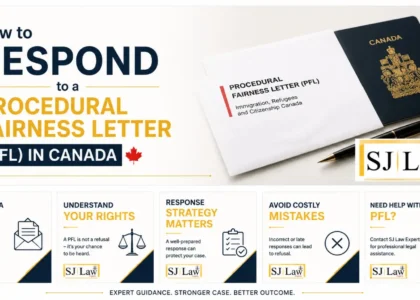
A Procedural Fairness Letter (PFL) is an official communication issued by Immigration, Refugees and Citizenship Canada (IRCC) when an officer identifies serious concerns in your application. These concerns may relate to misrepresentation, insufficient documentation, questionable financial records, or inconsistencies in your profile.
The purpose of the PFL is not to reject your application immediately but to give you a fair chance to respond. It acts as a legal safeguard, ensuring that applicants are not refused without being heard. In many cases, the PFL outlines specific issues and provides a deadline—usually between 7 to 30 days, for submitting a detailed explanation and supporting evidence.
What is a Visa Refusal by IRCC?
A visa refusal, on the other hand, is a final decision made by IRCC after reviewing your application and any additional information provided. Once your application is refused, it means the officer was not satisfied with your eligibility, documentation, or credibility.
Unlike a PFL, a visa refusal does not offer you a chance to respond within the same application. Instead, you must either:
- Reapply with stronger documentation
- File a judicial review (in certain cases)
- Address the refusal reasons before submitting a new application
Refusal letters usually include reasons such as lack of proof of funds, weak ties to home country, inconsistent information, or concerns about the genuineness of your intent.
IRCC vs Visa Refusal – Core Differences Explained
To clearly understand IRCC vs Visa Refusal, it’s important to compare them side by side:
| Factor | Procedural Fairness Letter (PFL) | Visa Refusal |
| Stage | Before final decision | Final decision |
| Purpose | Request explanation | Reject application |
| Opportunity to Respond | Yes | No |
| Legal Impact | Preventive | Conclusive |
| Outcome Flexibility | High (can change decision) | Limited (requires reapplication or appeal) |
The biggest difference is timing. A PFL is a warning signal, while a refusal is the final outcome.
Why IRCC Issues a Procedural Fairness Letter
In 2026, IRCC uses advanced verification systems to identify potential risks. A PFL is issued when there is enough concern to question your application but not enough evidence to refuse it outright.
Common triggers include:
- Suspected fake or altered documents
- Inconsistent financial records
- Doubts about relationship authenticity
- Employment verification issues
The goal is to ensure fairness by allowing you to respond before a negative decision is made. This aligns with Canadian administrative law principles, which emphasize transparency and due process.
Common Reasons for Visa Refusal
Visa refusals occur when the officer is not convinced by your application, even after reviewing all submitted documents.
Typical refusal reasons include:
- Insufficient proof of funds
- Weak travel or immigration history
- Lack of ties to home country
- Incomplete or inconsistent documentation
- Failure to respond to a PFL adequately
In many cases, a refusal could have been avoided if the applicant had responded properly to a PFL.
Legal Implications: PFL vs Refusal
The legal consequences of IRCC vs Visa Refusal differ significantly.
Procedural Fairness Letter
- No immediate negative record
- Opportunity to correct issues
- Can strengthen your case if handled properly
Visa Refusal
- Recorded in immigration history
- May affect future applications
- Can lead to bans if misrepresentation is involved
If a refusal is based on misrepresentation, the applicant may face a 5-year ban from Canada, making future immigration extremely difficult.
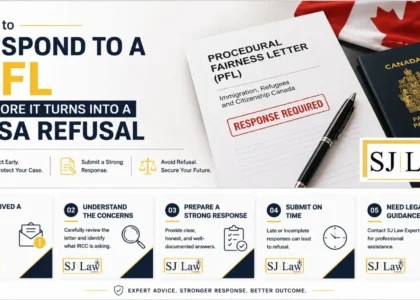
How to Respond to a Procedural Fairness Letter
Responding to a PFL requires a strategic and evidence-based approach.
Key Steps
- Carefully analyze the concerns raised
- Gather supporting documents
- Prepare a structured explanation letter
- Submit within the deadline
Your response should directly address each issue raised by IRCC. Avoid generic explanations, specific, documented answers carry more weight.
What Happens After a PFL Response?
Once you submit your response, IRCC will review the new information and make a final decision.
Possible outcomes:
- Application approved
- Additional requests for documents
- Visa refusal
The quality of your response plays a major role in determining the outcome.
Can You Appeal a Visa Refusal?
Unlike a PFL, a visa refusal does not allow for immediate clarification. However, you may have options:
- Reapply with stronger documentation
- Judicial review in Federal Court (if legal errors exist)
- Consult immigration experts for case reassessment
Appeals are complex and time-sensitive, requiring professional legal support.
Advanced Strategies to Avoid Refusal After PFL
In 2026, simply responding is not enough, you need a strategic defense.
- Consistency Across All Documents: Ensure that every document aligns with your explanation.
- Strong Evidence: Provide verifiable, official, and original documents.
- Clear Narrative: Tell a logical and consistent story that addresses IRCC concerns.
- Professional Guidance: Experts like SJ Law Experts can help craft legally sound responses that significantly improve success rates.
Role of SJ Law Experts in PFL and Refusal Cases
Handling IRCC vs Visa Refusal scenarios requires legal expertise and strategic planning.
SJ Law Experts offer:
- Detailed case analysis
- Professional PFL response drafting
- Refusal case review
- Reapplication strategies
Their experience helps applicants avoid common mistakes and improve approval chances.
Real Case Insights (2026 Trends)
Recent trends show:
- Increased PFL issuance before refusals
- Higher scrutiny of financial documents
- Stronger focus on document authenticity
Applicants who respond professionally to PFLs have significantly higher approval rates compared to those who ignore or mishandle them.
Conclusion
The difference between an IRCC Procedural Fairness Letter and a visa refusal is not just technical, it’s strategic. A PFL is your opportunity to fix problems and defend your application, while a refusal is the result of failing to do so effectively.
Understanding IRCC vs Visa Refusal can help you take the right action at the right time. If you receive a PFL, treat it seriously and respond with strong evidence. If your visa is refused, analyze the reasons carefully before reapplying. In today’s advanced immigration environment, success depends on preparation, accuracy, and strategy. With the right approach, and professional support from SJ Law Experts, you can significantly improve your chances of achieving your Canadian immigration goals.
FAQs
1. Is a PFL the same as a visa refusal?
No, a PFL is a warning and an opportunity to respond, while a visa refusal is a final decision.
2. Can I still get approval after a PFL?
Yes, many applications are approved after a strong and well-documented response.
3. What happens if I ignore a PFL?
Ignoring it usually leads to visa refusal.
4. Does a visa refusal affect future applications?
Yes, it becomes part of your immigration record and may impact future decisions.
5. Can SJ Law Experts help with PFL responses?
Yes, they provide professional assistance to strengthen your case and improve approval chances.