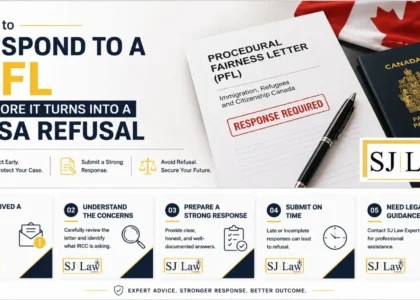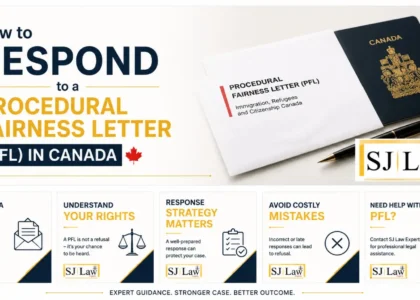
A Procedural Fairness Letter (PFL) is an official communication from Immigration, Refugees and Citizenship Canada (IRCC) that raises concerns regarding your immigration application. Receiving a PFL is serious, especially when it involves allegations of fake work experience.
The PFL provides applicants a chance to respond before a final decision is made. Think of it as an opportunity to defend yourself legally and provide clarifying evidence, failing to respond can result in outright refusal of your application.
When IRCC Issues a PFL
IRCC issues a PFL when they detect discrepancies in your submitted documents. In Pakistan cases, fake work experience is one of the most common triggers. IRCC may notice inconsistencies between your resume, reference letters, employment verification checks, or supporting evidence such as salary slips.
Understanding Fake Work Experience Concerns
How IRCC Verifies Employment
IRCC uses multiple verification methods:
- Directly contacting your past employers
- Third-party verification agencies
- Online company records and LinkedIn profiles
- Cross-checking tax and payroll documents
If IRCC cannot confirm your work experience, a PFL is issued.
Common Triggers for Fake Work Experience Allegations
Pakistan applicants may face PFLs due to:
- Reference letters from unverifiable companies
- Inconsistent job duties or employment dates
- Discrepancies in salary records
- Generic or poorly formatted letters
Even minor inconsistencies can trigger serious scrutiny.
Legal Risks Associated with Fake Work Experience
Misrepresentation under Immigration Law: Providing false information constitutes misrepresentation, which is considered a violation under Canadian immigration law. This is taken seriously and can negatively affect current and future applications.
Possible 5-Year Ban Consequences: If misrepresentation is proven, IRCC can impose a 5-year ban, preventing you from reapplying. Therefore, responding properly to a PFL is crucial to avoid long-term consequences.
Steps to Respond to a Procedural Fairness Letter
Analyzing the Allegations: Before responding, carefully review the PFL to understand the specific concerns raised by IRCC. Identify the gaps in your documentation or discrepancies they noted.
Preparing a Detailed Response
Your response should:
- Address each allegation separately
- Provide a clear, chronological explanation
- Include verifiable supporting evidence
A well-prepared response demonstrates transparency and credibility.
Evidence to Include in Your PFL Response
Employment Contracts and Salary Slips: Provide authentic contracts, payslips, or tax records to verify employment. Ensure they align with the employment dates and job titles claimed.
Letters from Supervisors and Colleagues: Include signed letters from previous supervisors or colleagues who can confirm your work duties, duration, and contributions.
Additional Supporting Documents
Other helpful documents may include:
- Emails confirming employment
- Performance appraisals
- Company registration documents
The more concrete and verifiable the evidence, the stronger your response.
Common Mistakes to Avoid in PFL Responses
- Ignoring the PFL Deadline: Failing to respond within the specified time frame can lead to immediate refusal.
- Submitting Weak or Incomplete Evidence: Submitting vague, unverifiable, or repetitive documents undermines your credibility. Avoid generic letters and ensure all evidence is notarized if possible.
Legal Strategy for Pakistan Applicants
Crafting a Persuasive and Honest Response: Honesty is paramount. Admit any unintentional errors, explain discrepancies clearly, and provide strong supporting evidence. Avoid emotional language and focus on factual clarification.
Working with Immigration Lawyers
Professional guidance is highly recommended. Immigration lawyers can:
- Analyze allegations thoroughly
- Prepare legally sound responses
- Organize evidence efficiently
- Improve chances of approval
How SJ Law Experts Can Help
At SJ Law Experts, we specialize in assisting Pakistan applicants in responding to Procedural Fairness Letters. Our team provides:
- In-depth legal analysis of PFLs
- Drafting precise and persuasive responses
- Verification of employment documentation
- Strategic advice to avoid misrepresentation risks
Our goal is to help applicants overcome PFL concerns effectively while protecting their immigration prospects.
Conclusion
A Procedural Fairness Letter regarding fake work experience is a serious but manageable issue. The key is to respond promptly, honestly, and with strong supporting evidence. With expert legal guidance from SJ Law Experts, Pakistan applicants can address IRCC concerns effectively, protecting their immigration application and long-term prospects.
FAQs
1. What is a Procedural Fairness Letter (PFL)?
A PFL is an official notice from IRCC raising concerns about your application and giving you a chance to respond before a decision.
2. Why do PFLs for fake work experience happen?
They occur when IRCC cannot verify employment details or finds inconsistencies in your documents.
3. What evidence should I submit in response?
Contracts, salary slips, letters from supervisors, emails, performance appraisals, and notarized documents are recommended.
4. Can ignoring a PFL lead to refusal?
Yes, failing to respond within the deadline usually results in automatic refusal.
5. Should I hire a lawyer to respond to a PFL?
Yes, professional legal guidance improves your chances of crafting a strong, credible response.