Understanding the difference between a PFL vs Visa Refusal is essential for applicants from Pakistan who are navigating international immigration systems. Many applicants misunderstand a Procedural Fairness Letter (PFL) as a rejection, while in reality, it is an opportunity to correct issues before a final decision is made. Knowing how to respond effectively can mean the difference between approval and refusal.
In this detailed guide, we clearly explain the distinction between PFL vs Visa Refusal, what each means, and how we can respond strategically to protect our immigration goals.
What Is a Procedural Fairness Letter (PFL)?
A Procedural Fairness Letter (PFL) is issued by immigration authorities, such as Immigration, Refugees and Citizenship Canada, when concerns arise about an application. Instead of rejecting the application immediately, the officer gives us a chance to respond and clarify issues.
A PFL typically highlights concerns such as:
- Misrepresentation
- Financial inconsistencies
- Doubts about intent
- Insufficient documentation
In the PFL vs Visa Refusal comparison, a PFL is a warning stage, not a final decision.
What Is a Visa Refusal?
A visa refusal is the final decision made by the immigration authority after reviewing the application. Once refused, the application is closed, and the applicant must either:
- Reapply with stronger documentation
- File an appeal (if applicable)
- Seek legal remedies
In the PFL vs Visa Refusal context, a refusal indicates that the opportunity to explain has either passed or was not sufficient.
Key Differences: PFL vs Visa Refusal
1. Opportunity to Respond
- PFL: We are given a chance to explain and provide additional documents.
- Visa Refusal: No opportunity to respond after the decision.
2. Stage of Application
- PFL: Issued before a final decision.
- Visa Refusal: Issued after the final decision.
3. Impact on Application
- PFL: Can still lead to approval if handled correctly.
- Visa Refusal: Ends the current application.
4. Risk Level
- PFL: High risk but recoverable.
- Visa Refusal: Requires starting over or appealing.
Understanding these differences is crucial in managing the PFL vs Visa Refusal situation effectively.
Why Pakistan Applicants Receive a PFL
Applicants from Pakistan may receive a PFL due to:
- Complex financial backgrounds
- Limited travel history
- Documentation gaps
- Employment verification issues
In the PFL vs Visa Refusal process, these concerns must be addressed quickly and accurately to avoid escalation.
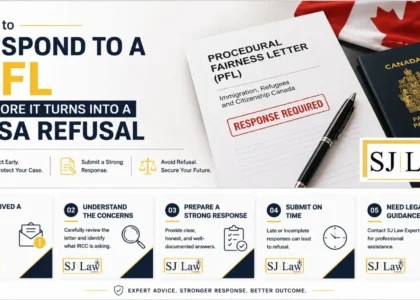
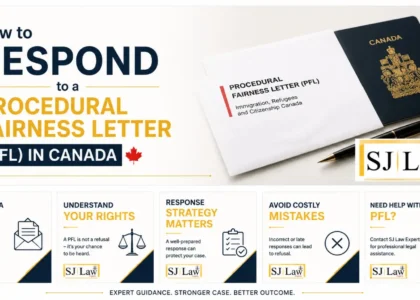
How to Respond to a PFL Effectively
1. Analyze the Concerns Carefully: We begin by reviewing every issue raised in the letter from Immigration, Refugees and Citizenship Canada.
2. Prepare a Strong Response Letter
A well-structured response should:
- Address each concern directly
- Provide clear explanations
- Include supporting documents
3. Submit Supporting Evidence
We include documents such as:
- Bank statements
- Employment letters
- Educational records
- Affidavits
4. Maintain Professional Tone: The response must be formal, factual, and respectful. Handling this stage properly can shift the outcome in the PFL vs Visa Refusal process.
What Happens After a Visa Refusal?
If the application is refused, we have limited options:
- Reapply: Submit a stronger application addressing previous issues
- Judicial Review: In certain cases, challenge the decision legally
- Consult Experts: Improve strategy before reapplying
Common Mistakes to Avoid
To prevent escalation from PFL to refusal, we must avoid:
- Ignoring the PFL deadline
- Submitting incomplete responses
- Providing inconsistent information
- Using emotional instead of factual explanations
How SJ Law Experts Help You
SJ Law Experts play a crucial role in managing both stages of the PFL vs Visa Refusal process. They carefully analyze your case, identify weaknesses, and prepare a strong, well-documented response to the PFL. Their expertise ensures that every concern raised by Immigration, Refugees and Citizenship Canada is addressed professionally and accurately. In case of refusal, they guide you on reapplication strategies or legal options, helping you move forward with confidence.
Final Thoughts
Understanding the difference between PFL vs Visa Refusal is critical for Pakistan applicants aiming for successful immigration outcomes. A PFL is a valuable opportunity to correct mistakes, while a refusal is a final decision that requires a new approach. By responding promptly, providing strong evidence, and maintaining accuracy, we can significantly improve our chances of approval and avoid unnecessary refusals.
FAQs
Is a PFL the same as a visa refusal?
No, a PFL is a warning and an opportunity to respond, while a refusal is a final decision.
Can we still get approval after a PFL?
Yes, a strong response can lead to approval.
What should we do after a visa refusal?
We can reapply with better documentation or explore legal options.
How important is a PFL response?
It is critical, as it directly affects the final decision in the PFL vs Visa Refusal process.