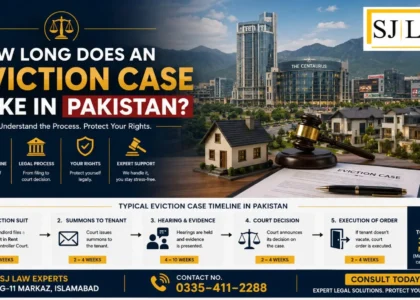

Understanding Protection Against Illegal Eviction Pakistan is essential for every tenant living in residential or commercial rented property. In Pakistan, tenancy disputes are very common, especially in urban cities like Islamabad, Lahore, and Karachi, where landlords and tenants often face conflicts over rent, lease expiry, possession rights, and property use.
Illegal eviction occurs when a landlord tries to remove a tenant without following proper legal procedure. This may include forceful lockouts, cutting utilities, removing belongings, or using pressure tactics to make tenants leave. Many tenants are unaware that such actions are unlawful and that the law provides strong protection against forced eviction. Under Pakistani tenancy laws, a landlord cannot evict a tenant without a valid legal reason and proper court order. Even if rent is unpaid or the lease has expired, the landlord must follow the legal process through the Rent Controller or relevant court. Any attempt to bypass this process can be challenged legally.
Understanding Protection Against Illegal Eviction Pakistan
The concept of Protection Against Illegal Eviction Pakistan is based on the legal principle that no tenant can be forcibly removed from rented premises without due process of law. Once a tenancy is created, the tenant gains lawful possession rights that are protected under Pakistani law. This means a tenant cannot be removed simply because the landlord wants the property back. Legal eviction requires proper notice, valid grounds, and a court order.
What Counts as Illegal Eviction?
Illegal eviction refers to any action by a landlord that forces a tenant out of property without legal authorization.
Common examples include:
- Changing locks without court order
- Removing tenant belongings forcibly
- Disconnecting electricity or water
- Threatening or harassing tenants
- Blocking access to rented premises
- Using private individuals to eject tenants
Such actions are considered unlawful and may lead to legal consequences for the landlord. Think of tenancy law as a protective shield. Even though the landlord owns the property, the tenant’s right to peaceful possession cannot be violated without legal authority.
Illegal Eviction Laws Pakistan Tenant Rights
Pakistani law provides strong safeguards for tenants against unlawful eviction. The legal system ensures that disputes are resolved through courts instead of force.
Legal Framework for Tenant Protection
Tenant rights in Pakistan are generally protected under:
- Rent restriction laws
- Civil procedure laws
- Constitutional protections of property rights
- Rent Controller jurisdiction (in cities like Islamabad)
These laws ensure that eviction only happens through lawful procedure.
Key Tenant Rights Under Law
Tenants are legally entitled to:
- Peaceful possession of rented property
- Proper legal notice before eviction
- Protection from forceful removal
- Court hearing before eviction order
- Opportunity to defend their case
Even if a tenant violates terms like rent default, the landlord must still approach the court.
Tenant Protection Against Forced Eviction Pakistan
Forced eviction is strictly discouraged under Pakistani law. Courts generally protect tenants from being removed without due process.
Why Forced Eviction Is Illegal
Forced eviction bypasses legal procedures and violates the principle of fair hearing. It can lead to:
- Civil liability for damages
- Criminal complaints
- Court injunctions against landlords
- Restoration of tenant possession
Landlords are required to file proper eviction petitions instead of taking direct action.
Common Situations Leading to Forced Eviction
- Rent disputes
- Lease expiry disagreements
- Property sale pressure
- Personal conflict between parties
- Unauthorized occupation claims
Even in these situations, legal procedure must be followed.
Tenant Rights Islamabad Eviction Law
In Islamabad, tenancy disputes are usually handled through Rent Controllers and civil courts. The law ensures that tenants are not removed without lawful justification.
Legal Eviction Process in Islamabad
The eviction process generally includes:
- Issuance of legal notice
- Filing of eviction petition
- Court proceedings before Rent Controller
- Submission of evidence
- Final judgment and eviction order
Only after a court order can eviction be lawfully executed.
Importance of Rent Agreements
A written rent agreement plays a key role in eviction cases. It defines:
- Rent amount
- Lease duration
- Responsibilities of both parties
- Conditions for termination
Without a clear agreement, disputes often become more complicated.
Legal Remedies for Illegal Eviction Pakistan
If a tenant faces illegal eviction or harassment, the law provides multiple remedies.
1. Injunction Order from Court: A tenant can file a case seeking an injunction to stop illegal eviction immediately. Courts can restrain landlords from taking unlawful action.
2. Police Complaint: If force or threats are involved, tenants may file a complaint with the police for protection.
3. Civil Suit for Damages: Tenants may claim compensation for losses caused by illegal eviction, including business loss or property damage.
4. Restoration of Possession: In some cases, courts may order restoration of tenant possession if eviction was unlawful. These remedies ensure that tenants are not left without legal protection.
Role of Evidence in Tenant Protection Cases
Evidence plays a major role in illegal eviction disputes. Tenants should maintain proper records such as:
- Rent receipts
- Tenancy agreement
- Utility bills
- Messages or communication with landlord
- Photographs or videos of property condition
- Witness statements
Strong evidence improves the chances of legal protection and court success.
Landlord Responsibilities Under Tenancy Law
While tenant rights are protected, landlords also have legal rights. However, they must exercise those rights lawfully.
Legal Responsibilities of Landlords
Landlords must:
- Follow proper eviction procedures
- Respect tenant possession rights
- Provide legal notice before action
- Avoid harassment or intimidation
- Use court system for disputes
Landlords cannot take law into their own hands.
How Tenants Can Protect Themselves
Tenants can take proactive steps to avoid illegal eviction situations.
Practical Protection Steps
- Always sign written agreements
- Pay rent through traceable methods
- Keep communication records
- Avoid verbal-only agreements
- Seek legal advice early in disputes
Being prepare legally helps prevent escalation.
Importance of Legal Support in Eviction Cases
Tenant disputes can quickly become complex. Legal professionals help ensure proper rights protection.
A lawyer can assist with:
- Filing injunction cases
- Responding to eviction notices
- Negotiating settlements
- Representing tenants in court
- Protecting possession rights
Legal support ensures tenants do not lose rights due to procedural mistakes.
Conclusion
Protection Against Illegal Eviction Pakistan is a fundamental legal right that ensures tenants cannot be remove from rented property without due process. Whether the issue involves rent disputes, lease expiry, or landlord conflict, eviction must always follow proper legal procedures through courts. Pakistani tenancy laws strongly support Tenant Protection Against Forced Eviction Pakistan, ensuring fairness for both landlords and tenants. Tenants in Islamabad and across Pakistan have legal remedies available if they face unlawful eviction, including injunctions, police protection, and compensation claims.
Understanding your rights is the first step toward protection. With proper documentation and legal guidance, tenants can effectively defend their possession rights and prevent illegal eviction under Pakistani law.
What is illegal eviction in Pakistan?
Illegal eviction is when a landlord removes a tenant without court order or legal procedure, such as changing locks or using force.
Can a landlord evict a tenant without court in Islamabad?
No, landlords must follow legal eviction procedures through the Rent Controller or civil court.
What should I do if my landlord tries forced eviction?
You should immediately seek legal help, file an injunction case, and contact authorities if necessary.
Are tenants protected under Pakistani law?
Yes, tenants are protected from illegal eviction and have the right to peaceful possession during tenancy.
Can I claim compensation for illegal eviction?
Yes, tenants may file a civil suit for damages if they suffer loss due to unlawful eviction