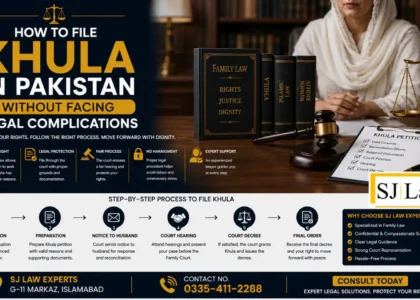

What Are Family Disputes Under Pakistani Law
Family Disputes in Pakistan are among the most sensitive and emotionally charged legal matters in the judicial system. These disputes arise within family relationships such as husband and wife, parents and children, or even extended relatives. Unlike commercial or civil disputes, family cases are deeply personal, often involving emotional stress, financial dependency, and long-term consequences for all parties involved.
Under Pakistani law, family disputes are governed by a combination of Islamic principles, statutory laws, and family court regulations. These laws aim to ensure fairness while protecting the dignity and rights of each family member. The courts do not only look at legal technicalities but also consider emotional and social factors to reach balanced decisions.
Common Causes of Family Conflicts
Family disputes in Pakistan can arise due to a variety of reasons, including:
- Marital conflicts and misunderstandings
- Financial instability and maintenance issues
- In-law interference in marriage matters
- Child custody disagreements
- Property and inheritance disputes
These issues often escalate when communication breaks down, making legal intervention necessary.
Family Dispute Resolution Pakistan Law Framework
Role of Family Courts in Pakistan
The Family Dispute Resolution Pakistan Law system is primarily handled by family courts established under the Family Courts Act 1964. These courts are designed to provide quick and effective resolution of domestic issues. Family courts focus on resolving matters such as divorce, custody, maintenance, and dowry recovery. The goal is to reduce long litigation periods and provide justice in a timely manner, especially in sensitive family matters.
Legal Principles Governing Family Matters
Family law in Pakistan is guided by key principles such as:
- Protection of women and children rights
- Fair financial support obligations
- Preservation of family dignity
- Islamic legal framework alignment
These principles ensure that decisions are balanced and socially appropriate.
Types of Family Disputes in Pakistan
- Divorce and Separation Issues: One of the most common disputes involves divorce proceedings. These cases often include khula, talaq, and reconciliation efforts.
- Child Custody and Guardianship: Custody battles focus on determining which parent is better suited to care for the child’s welfare and upbringing.
- Maintenance and Financial Support: Maintenance cases involve financial support for spouses or children after separation or divorce.
- Inheritance and Property Disputes: Family disputes also arise over distribution of inherited property among heirs.
Legal Solutions for Family Disputes Pakistan
- Mediation and Settlement Options: Before going to court, many cases are resolved through mediation. This approach helps families reach mutual agreements without lengthy litigation.
- Court-Based Legal Remedies: When settlement fails, parties can approach family courts for legal resolution. Courts issue binding judgments based on evidence and legal principles.
Role of Family Lawyer Islamabad High Court
- Legal Representation in Family Cases: A Family Lawyer Islamabad High Court plays a crucial role in representing clients in complex family disputes. These lawyers understand both legal and emotional aspects of cases.
- Strategic Case Handling in High Court: Experienced lawyers prepare strong legal strategies, gather evidence, and present arguments effectively in higher courts when appeals or complex issues arise.
Best Family Lawyer Islamabad Pakistan Importance
Qualities of a Skilled Family Lawyer
The Best Family Lawyer Islamabad Pakistan should have:
- Strong knowledge of family laws
- Experience in court litigation
- Good negotiation skills
- Empathy and confidentiality
How Lawyers Influence Case Outcomes
A skilled lawyer can significantly improve the chances of success by:
- Properly drafting legal documents
- Presenting strong arguments
- Handling cross-examinations effectively
Family Court Procedure in Pakistan
- Filing a Family Case: The process begins with filing a petition in family court, outlining the dispute and legal grounds.
- Evidence and Hearings Process: Both parties present evidence, witnesses, and arguments before the judge.
- Final Judgment and Enforcement: The court issues a final decision, which is legally enforceable.
Common Mistakes in Family Dispute Cases
Emotional Decision Making: Many individuals make decisions based on emotions rather than legal advice, which weakens their case.
Lack of Legal Documentation: Missing or incomplete documents can significantly delay or damage a case.
Conclusion
Family Disputes in Pakistan require careful legal handling due to their emotional and social sensitivity. The legal system, supported by family courts and experienced lawyers, provides structured solutions for resolving these conflicts. Whether it involves divorce, custody, or financial disputes, seeking guidance from a qualified Family Lawyer Islamabad High Court ensures better protection of rights and fair outcomes. With proper legal support, families can resolve disputes more efficiently while minimizing emotional and financial stress.
FAQs
1. What are common family disputes in Pakistan?
They include divorce, child custody, maintenance, and inheritance issues.
2. Which court handles family disputes in Pakistan?
Family courts established under the Family Courts Act 1964 handle these cases.
3. Can family disputes be settled without court?
Yes, many cases are resolved through mediation and mutual agreement.
4. Why do I need a family lawyer in Islamabad?
A lawyer ensures proper legal representation and increases chances of success.
5. How long does a family case take in Pakistan?
It depends on complexity, but family courts aim for faster resolution.