Guide by SJ Law Experts
When applying for Canadian immigration, receiving a letter from IRCC can feel stressful—especially if it is a PFL (Procedural Fairness Letter) or an ADR (Additional Document Request). Understanding PFL vs ADR is crucial because each serves a different purpose and requires a different response strategy.
In this detailed guide by SJ Law Experts, we explain the difference between a fairness letter vs document request IRCC, what each means for your case, and how to respond correctly to protect your immigration application.
What Is a Procedural Fairness Letter (PFL)?
A Procedural Fairness Letter (PFL) is issued by IRCC when an immigration officer has serious concerns about your application and is considering refusal.
This letter gives you a final opportunity to respond before a negative decision is made.
Common Reasons for PFL
IRCC may issue a PFL if they suspect:
- Misrepresentation
- Fake documents
- Insufficient proof of funds
- Questionable work experience
- Marriage fraud
- Inconsistent information
- Criminal or medical inadmissibility
Why PFL Is Serious
A PFL means:
- Your application is at risk of refusal
- You must respond within a strict deadline
- Your response can determine approval or refusal
What Is an Additional Document Request (ADR)?
An Additional Document Request (ADR) is much less serious. It simply means IRCC needs more information to continue processing your application.
Common ADR Requests
IRCC may ask for:
- Updated bank statements
- New police clearance
- Employment letters
- Pay slips
- Travel history
- Proof of relationship
- Medical reports
ADR does NOT mean refusal is coming. It usually indicates your case is still actively being processed.
PFL vs ADR: Key Differences
Understanding fairness letter vs document request IRCC is critical:
| Factor | PFL | ADR |
| Purpose | Officer has concerns | Officer needs more info |
| Risk Level | High | Low |
| Outcome | Possible refusal | Normal processing |
| Response Type | Legal explanation | Simple document submission |
| Deadline | Strict | Flexible |
| Legal Impact | Very serious | Routine |
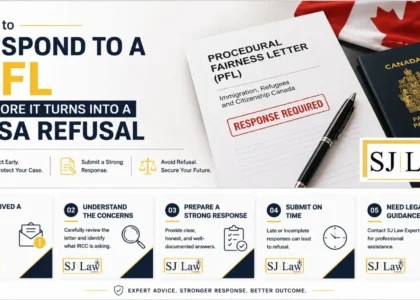
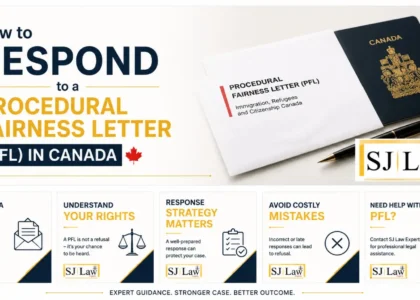
How to Respond to a PFL (Procedural Fairness Letter)
A PFL requires a legal response, not just documents.
Best Practices:
- Read concerns carefully
- Prepare written explanation
- Attach strong supporting evidence
- Address each allegation clearly
- Follow deadline strictly
- Seek professional legal help
Important Tip
Never ignore a PFL. Failure to respond can lead to automatic refusal.
How to Respond to an ADR
ADR responses are simpler:
- Upload requested documents
- Ensure documents are clear and genuine
- Follow IRCC instructions
- Submit before deadline
ADR does NOT require legal arguments unless requested.
Which One Is More Serious?
In PFL vs ADR, the PFL is much more serious.
- ADR = normal processing step
- PFL = last chance to save your application
Impact on Your Immigration Case
PFL Impact
- High refusal risk
- Possible misrepresentation ban
- Future visa issues
ADR Impact
- Minor delay
- No negative effect if submitted properly
IRCC Process in Canada
In Canada, IRCC follows strict fairness principles. A Procedural Fairness Letter ensures applicants are given a chance to defend their case before refusal. This applies to:
- Express Entry
- Study permits
- Work permits
- Spousal sponsorship
- Visitor visas
Understanding PFL vs ADR in Canada helps protect your immigration future.
How SJ Law Experts Can Help
SJ Law Experts specialize in:
- PFL response drafting
- Legal explanations
- Evidence organization
- ADR compliance
- IRCC communication
- Case strategy
Their expertise ensures your response is legally strong, well-documented, and timely—maximizing approval chances.
Frequently Asked Questions
What does a PFL mean from IRCC?
A PFL means IRCC is planning to refuse your application unless you successfully respond.
Is ADR a bad sign?
No. ADR simply means IRCC needs more information.
Can I ignore an ADR?
No. Failure to respond can lead to refusal.
Should I hire a lawyer for PFL?
Strongly recommended. PFL responses require legal strategy.
Can ADR turn into PFL?
Yes, if documents raise concerns.
Expert Opinion by SJ Law Experts
With years of experience handling IRCC cases, SJ Law Experts have successfully resolved hundreds of PFL and ADR cases. Their deep understanding of Canadian immigration law ensures:
- Accurate legal interpretation
- Strong documentation strategy
- Professional representation
Final Thoughts
Knowing the difference between fairness letter vs document request IRCC can protect your immigration future. A timely, accurate response is critical for success.
With professional guidance from SJ Law Experts, you can confidently handle both ADR and PFL situations and improve your chances of approval.
If you’ve received a PFL or ADR, don’t delay—expert legal support can make all the difference.