
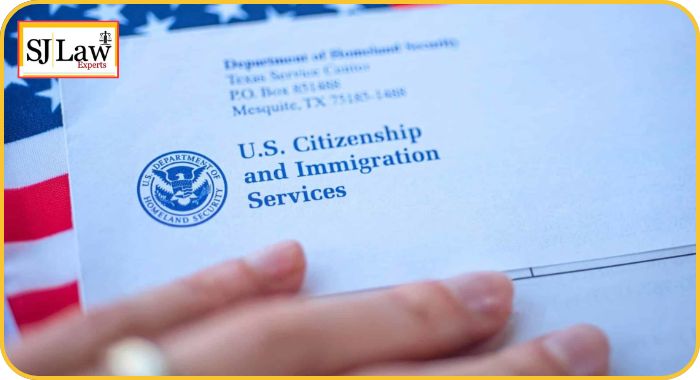
Filing a USCIS petition Islamabad can feel overwhelming, especially if you’re doing it for the first time. With immigration rules continuously changing and documentation requirements becoming more strict, it’s important to understand how the process works before jumping in. Whether you’re applying for a family-based visa, work visa, or any other type of USA immigration petition, you must get your facts straight from the beginning.
The U.S. Citizenship and Immigration Services (USCIS) is the main government authority responsible for processing all immigration petitions. Even if you’re living in Pakistan, your USCIS petition is always submitted to the U.S. agency based in America—not at the U.S. Embassy in Islamabad. That’s why many applicants consult an immigration lawyer Islamabad USA petition specialist to ensure accuracy and avoid delays.
What Is USCIS and Why Does It Matter for Islamabad Applicants?
USCIS stands for U.S. Citizenship and Immigration Services, a division of the Department of Homeland Security (DHS). It’s responsible for processing:
- Family reunification petitions
- Work visa petitions
- Green card applications
- Citizenship applications
- Humanitarian immigration cases
Even if you’re in Islamabad or anywhere else in Pakistan, every immigration journey toward the U.S. starts with USCIS.
Why does USCIS matter for Islamabad residents?
Because before the U.S. Embassy in Islamabad or Karachi accepts your application for visa processing, USCIS must first approve your petition. No approval means no visa interview—simple as that.
Common Types of USCIS Petitions Filed from Pakistan
People from Islamabad commonly submit various USCIS petitions, such as:
- I-130 (Family-Based Petition)
For spouses, parents, children, and siblings of U.S. citizens or green card holders. - I-140 (Employment-Based Petition)
For skilled workers, professionals, and extraordinary ability individuals. - I-129F (Fiancé(e) Visa Petition)
Used when a U.S. citizen wants to bring their foreign fiancé(e) to America. - I-131, I-589, I-360
For humanitarian or special immigration categories.
Each form has its own rules, evidence requirements, and processing times.
Preparing to File a USCIS Petition in Islamabad
Before filing, organization is key. USCIS is very particular about documentation, proof, and accuracy. Mistakes can result in delays, RFEs (Requests for Evidence), or even denials.
Documents Required for USCIS Petitions
Depending on the type of petition, the most common documents include:
- Valid Pakistani passport
- NADRA ID card (CNIC)
- Birth certificates
- Family registration certificates (FRC)
- Marriage certificates (Nikah Nama + Union Council Marriage Certificate)
Police clearance certificates - Photos meeting USCIS requirements
- Financial support documents
- Evidence of relationship (for family petitions)
Keep everything scanned and photocopied. Trust us—it’ll save you hours later!
Eligibility Criteria for Different USCIS Forms
Each USCIS form has its own set of eligibility rules. For example:
- I-130: You must prove a legitimate family relationship.
- I-140: Requires employer sponsorship or proof of extraordinary abilities.
- I-129F: Prove you’ve met your fiancé(e) in person in the last two years.
- I-601 or I-212: Requires showing extreme hardship.
When in doubt, consulting an immigration lawyer Islamabad USA petition specialist helps avoid costly mistakes.
Step-by-Step Process to File a USCIS Petition from Islamabad
Step 1: Identifying the Correct USCIS Petition Form
Choosing the wrong form is one of the most common mistakes people make. For example:
- Marriage-based cases → I-130
- Fiancé(e) cases → I-129F
- Work-based → I-140
USCIS provides a form finder tool on their official website:
https://www.uscis.gov/forms
Step 2: Completing Your USCIS Form Accurately
This step requires attention to detail. USCIS rejects thousands of petitions every year due to simple errors like:
- Leaving fields blank
- Incorrect dates
- Missing signatures
- Not using black ink
- Inconsistent spelling of names
Try not to rush your forms. Fill them carefully and double-check everything.
Step 3: Paying USCIS Fees from Pakistan
You can pay USCIS fees through:
- Credit card (Form G-1450)
- International debit card
- Bank draft
- Online payments (depending on form)
Fees vary by form, so always verify the latest amounts on USCIS.gov.
Step 4: Submitting Your Petition to USCIS
You’ll mail your petition to the appropriate USCIS lockbox in the U.S. (not in Islamabad). Courier services like DHL, FedEx, and UPS are commonly used in Pakistan.
After USCIS receives your petition, they’ll send a Notice of Action (NOA1) as proof.
Role of an Immigration Lawyer in Islamabad for USA Petitions
The immigration lawyer Islamabad USA petition field has grown rapidly due to increasing Pakistani interest in U.S. immigration.
A good lawyer helps with:
- Form preparation
- Document organization
- USCIS responses
- RFEs
- Appeals
- Legal strategy
This ensures your case has the highest possible chance of approval.
Why Hiring a Lawyer Improves Approval Chances
Lawyers ensure:
- No missing documents
- Strongest evidence for your case
- Legal arguments supporting eligibility
- Compliance with USCIS and DHS requirements
They’ve seen hundreds of cases, so they spot mistakes you may never notice.
Tracking Your USCIS Petition After Submission
Once USCIS accepts your petition, you can track it using:
- USCIS Case Status Online Tool
- USCIS Contact Center
- Your USCIS Online Account
You’ll receive updates at each stage, such as:
- NOA1 – Receipt notice
- RFE – Additional document request
- NOA2 – Approval notice
Understanding USCIS Case Status Updates
Statuses you may encounter:
- “Case Was Received”
- “Case Was Actively Reviewed”
- “Request for Evidence Sent”
- “Case Was Approved”
- “Case Was Transferred”
Understanding these helps reduce anxiety and keeps you informed.
Common Processing Delay Reasons
Delays often happen due to:
- Background checks
- Security screening
- Missing documents
- High USCIS workload
- Errors in forms
FAQs About Filing a USCIS Petition from Islamabad
1. Can I file a USCIS petition from Islamabad without visiting the U.S.?
Yes. All USCIS petitions can be filed from Pakistan without traveling.
2. Where do I send my USCIS petition from Islamabad?
You send it to the USCIS lockbox in the U.S., not the U.S. Embassy.
3. Do I need an immigration lawyer to file a USCIS petition?
Not required, but highly recommended for accuracy and approval.
4. How long does it take USCIS to process a petition?
Anywhere from 6 months to 2 years depending on form type.
5. Can USCIS reject my petition?
Yes—if forms are incomplete, fees are incorrect, or evidence is insufficient.
6. Will USCIS contact me in Islamabad?
Yes, via email or postal mail depending on your preference.
Conclusion
Filing a USCIS petition Islamabad doesn’t have to be stressful. With proper preparation, accurate documentation, and—if needed—the help of an experienced immigration lawyer Islamabad USA petition specialist, you can significantly improve your chances of success. Follow the steps outlined in this guide, track your application carefully, and stay patient throughout the process.