
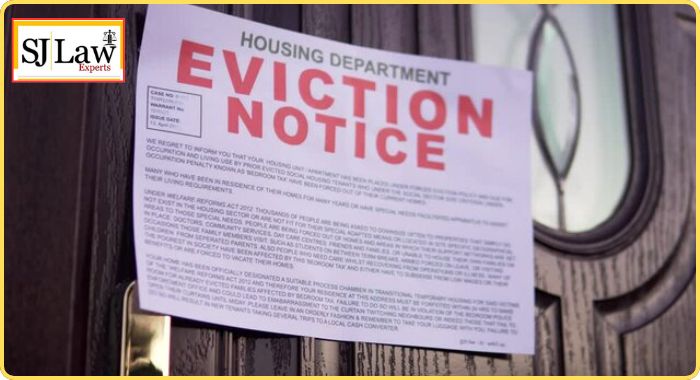
Eviction is never a pleasant subject for landlords or tenants. However, non-payment of rent is one of the most common grounds for eviction in Islamabad. Both parties—landlords and tenants—must understand how the law handles such disputes under the Islamabad Rent Restriction Ordinance, 2001.
This article explains the legal grounds, procedure, and protections available in cases of eviction due to non-payment of rent in Islamabad. It also highlights how landlords can avoid mistakes and how tenants can safeguard their rights.
Understanding the Legal Basis
The Islamabad Rent Restriction Ordinance, 2001 is the governing law that regulates landlord-tenant relations in the capital. Under this law, a landlord has the right to file an eviction petition if the tenant:
- Fails to pay rent within the agreed time,
- Defaults on consecutive payments, or
- Willfully delays rent despite repeated notices.
In such cases, non-payment of rent becomes a legally valid reason for eviction.
Role of Rent Controller in Eviction
The Rent Controller is the authority in Islamabad who decides eviction petitions. When a landlord files a case due to non-payment of rent, the Rent Controller carefully reviews:
- The rental agreement (to check the agreed rent and due dates),
- Evidence of non-payment or repeated defaults,
- Any written notices served by the landlord to the tenant.
If the Rent Controller finds the tenant in default, an eviction order can be issued.
Procedure for Eviction Due to Non-Payment
The process usually follows these steps:
1. Issuing a Legal Notice
The landlord must first serve a written notice to the tenant demanding rent payment. This notice should clearly mention:
- The unpaid rent amount,
- The period of default,
- A deadline for payment (commonly 15–30 days).
2. Filing the Eviction Petition
If the tenant does not comply, the landlord can file an eviction petition before the Rent Controller. Legal representation through a land property lawyer or tenant disputes lawyer is strongly advised.
3. Tenant’s Right to Defend
The tenant can respond by:
- Proving that the rent was paid,
- Showing bank transfer records or receipts,
- Highlighting that the landlord refused to accept payment.
4. Decision and Eviction Order
If the Rent Controller confirms non-payment, the tenant may be ordered to:
- Pay the due rent,
- Clear arrears with possible penalties,
- Vacate the property if payment is not made.
Common Delays in Non-Payment Eviction Cases
While non-payment of rent seems straightforward, delays often occur due to:
- Tenant objections (claiming payments were made),
- Disputes over rent amount,
- Adjournments and appeals,
- Lack of proper written agreements.
On average, an eviction case in Islamabad may take 4–8 months, though timelines vary depending on complexity and court workload.
Rights of Landlords
Landlords in Islamabad should remember:
- They must have a written tenancy agreement duly signed.
- Rent receipts or bank statements serve as vital proof of default.
- They should not harass tenants or force eviction without a legal order, as this can backfire legally.
Rights of Tenants
Tenants are also protected under Islamabad law. They may:
- Challenge wrongful eviction if the landlord is making false claims.
- Present proof of timely payments.
- Request relief if the landlord refused rent payment deliberately.
Practical Tips for Both Parties
- For Landlords: Always maintain rent records, issue receipts, and serve legal notices properly.
- For Tenants: Keep proof of rent payments, preferably through bank transfers.
- For Both: Hire a qualified landlord-tenant dispute lawyer near you in Islamabad to ensure your case is handled professionally.
Why Legal Guidance Matters
Navigating eviction due to non-payment of rent can be complex. Professional lawyers ensure that:
- Documents are drafted properly,
- Eviction notices are valid,
- Court procedures are followed correctly,
- Unnecessary delays are minimized.
At SJ Law Experts, our team specializes in landlord and tenant disputes in Islamabad. We guide both landlords and tenants in ensuring fair resolution under the law.
FAQs
1. Can a landlord evict without notice in Islamabad?
No. The landlord must serve a written notice before filing an eviction petition.
2. How long does a non-payment eviction case take?
Typically 4–8 months, depending on complexity and court schedule.
3. What if the landlord refuses to accept rent?
The tenant can deposit rent in the court or show proof of attempted payment.
4. Do tenants have protection against unfair eviction?
Yes. The Rent Controller ensures eviction is only ordered if default is proven.
Conclusion
Non-payment of rent is the most common eviction ground in Islamabad, but it is not as simple as it looks. Both landlords and tenants must follow the law strictly. The Rent Controller plays a central role in balancing rights, ensuring that eviction only takes place when legally justified.
With proper legal guidance from firms like SJ Law Experts, disputes can be resolved fairly, saving both time and money.