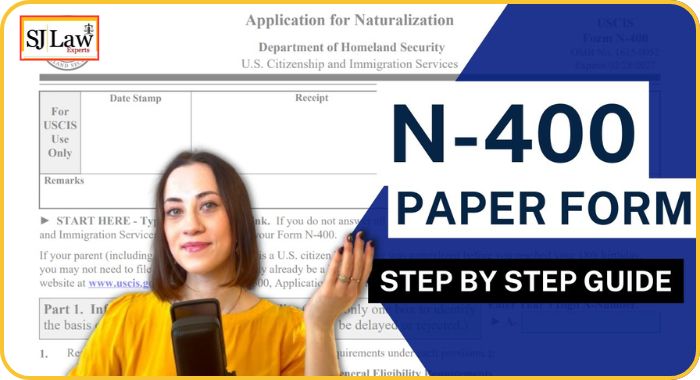
Applying for US citizenship is a life-changing milestone, and for most immigrants, that journey begins with USCIS Petition N-400. This form is the official application for naturalization, the legal process through which a lawful permanent resident becomes a U.S. citizen. While the idea sounds straightforward, the reality is layered with rules, timelines, and fine print that can trip people up if they’re not careful.
Naturalization isn’t just paperwork—it’s about securing your future. Once approved, you gain rights and protections that permanent residents simply don’t have. From voting in federal elections to holding a U.S. passport, citizenship opens doors that stay firmly closed otherwise. That’s why understanding the N-400 process from the start really matters.
SJ Law Experts regularly assist applicants who feel overwhelmed by the system. And honestly, that’s understandable. USCIS forms are detailed, and one small mistake can delay your case for months. So, let’s slow things down and walk through everything you need to know—clearly, calmly, and step by step.
Why Naturalization Matters
Naturalization is the final step in the immigration journey for many families. It brings stability, security, and a sense of belonging. More importantly, it protects you from risks like deportation and allows you to fully participate in civic life. For those who’ve built lives, careers, and families in the U.S., citizenship is the strongest legal status available.
Who Oversees the Process
The entire N-400 process is managed by U.S. Citizenship and Immigration Services (USCIS), a division of the Department of Homeland Security. USCIS reviews your application, conducts your interview, and ultimately decides whether you qualify for naturalization. You can find official guidance directly on the USCIS website:
👉 https://www.uscis.gov/n-400
Understanding USCIS Petition N-400 in Depth
The USCIS Petition N-400 is more than just a form—it’s a detailed record of your eligibility for US citizenship. It asks about your immigration history, personal background, travel outside the U.S., employment, and even your moral character. Every section plays a role in USCIS’s decision.
What the N-400 Is Used For
Form N-400 is used exclusively by lawful permanent residents who want to apply for naturalization. By submitting it, you’re formally asking the U.S. government to recognize you as a citizen. This includes:
- Verifying residency and physical presence
- Confirming your ability to read, write, and speak basic English
- Testing your knowledge of U.S. history and government
- Reviewing your legal and moral background
What the N-400 Is Not
It’s important to clear up confusion early. The N-400 is not:
- A green card renewal
- A visa application
- A work authorization request
Mixing these up can lead to costly delays.
Common Misconceptions
Many applicants assume that long-term residence alone guarantees approval. Unfortunately, that’s not true. USCIS looks at the whole picture. Even small inconsistencies between past applications and your N-400 can raise red flags.
Eligibility Requirements for Filing N-400
Before filing USCIS Petition N-400, you must meet specific eligibility criteria. Missing even one requirement can result in denial, so it’s worth double-checking everything.
Permanent Resident Status
You must be a lawful permanent resident (green card holder). Most applicants need to have held this status for at least five years. If you’re married to a U.S. citizen, that period may be reduced to three years.
Continuous Residence and Physical Presence
USCIS wants to see that you’ve made the U.S. your real home. That means:
- Continuous residence without long absences
- Physical presence for at least half of the required residency period
Extended trips abroad can complicate your naturalization case.
English and Civics Requirements
Applicants must demonstrate basic English proficiency and pass a civics test. The test covers U.S. history, government, and constitutional principles. Some age-based and medical exemptions apply.
Good Moral Character
USCIS closely examines criminal history, tax compliance, and honesty in all applications. Good moral character isn’t just about avoiding serious crimes—it’s about overall conduct.
Step-by-Step Process to File Form N-400
Filing N-400 doesn’t have to feel intimidating when you know what’s coming. Here’s how the process usually unfolds.
Preparing Your Application: Start by gathering documents: green card, travel records, tax returns, and marriage certificates if applicable. Accuracy matters—double-check dates and names.
Filing Methods and Fees: You can file N-400 online or by mail. The filing fee generally includes biometrics. USCIS sometimes offers fee waivers for qualifying applicants.
Biometrics Appointment: After filing, USCIS schedules a biometrics appointment to collect fingerprints and photos. This is used for background checks.
Interview and Civics Test: The interview is a big moment. A USCIS officer reviews your application, tests your English, and administers the civics exam. Staying calm and honest goes a long way.
Oath of Allegiance: Once approved, you’ll attend a naturalization ceremony and take the Oath of Allegiance. At that moment, you officially become a U.S. citizen.
Benefits of Becoming a U.S. Citizen
Completing USCIS Petition N-400 successfully brings powerful benefits that permanent residency can’t match.
Legal and Political Rights: Citizens can vote, run for public office, and serve on juries. These rights give you a direct voice in shaping the country’s future.
Family and Travel Advantages: US citizenship makes sponsoring relatives easier and provides access to a U.S. passport, which offers visa-free or visa-on-arrival travel to many countries.
Employment and Financial Benefits: Many federal jobs require citizenship. In addition, citizens may qualify for certain government benefits and scholarships unavailable to non-citizens.
Common Mistakes to Avoid When Filing N-400
Even strong applications can stumble due to avoidable errors.
Application Errors
Typos, missing signatures, or inconsistent information are surprisingly common. These mistakes can delay processing or lead to denial.
Missing Deadlines
Failing to respond to USCIS requests on time is risky. Always track notices and deadlines carefully.
Interview Pitfalls
Overthinking answers or providing unnecessary details can hurt your case. Answer clearly and truthfully—no more, no less.
Frequently Asked Questions (FAQs)
1. What is USCIS Petition N-400?
N-400 is the official application used to apply for naturalization and become a U.S. citizen.
2. How long does the N-400 process take?
Processing times vary but typically range from 8 to 14 months, depending on location and case complexity.
3. Can I travel while my N-400 is pending?
Yes, but long trips may affect your eligibility. Always keep records of travel.
4. Do I need a lawyer to file N-400?
A lawyer isn’t required, but legal guidance from experts like SJ Law Experts can reduce risks and delays.
5. What happens if my N-400 is denied?
You may appeal or reapply, depending on the reason for denial.
6. Is the civics test difficult?
Most applicants pass with preparation. USCIS provides official study materials.
Conclusion
Filing USCIS Petition N-400 is a powerful step toward US citizenship and long-term security. While the naturalization process involves careful preparation, understanding each stage makes it far less stressful. With the right information—and professional guidance when needed—you can move forward with confidence and optimism. SJ Law Experts remain committed to helping applicants.