For many lawful permanent residents of the United States, traveling abroad is a normal part of life. However, complications can arise if a permanent resident remains outside the United States for an extended period and their green card expires abroad. In such situations, returning to the U.S. may not be as simple as presenting an expired card at the airport.
Understanding the difference between SB-1 vs immigrant visa options is crucial for individuals who have been outside the United States for too long. This guide by SJ Law Experts explains what happens when your green card expired abroad, the legal options available, and how to return to the United States lawfully.
Understanding the SB-1 Returning Resident Visa
The SB-1 Returning Resident Visa is a special visa category issued to lawful permanent residents who have remained outside the United States longer than permitted due to circumstances beyond their control. Normally, a U.S. permanent resident can travel abroad for up to one year without major immigration complications. However, if someone stays outside the country for more than one year without a reentry permit, they may lose the ability to return with their green card alone. In such cases, individuals must apply for an SB-1 Returning Resident Visa through a U.S. embassy or consulate before returning to the United States.
What Happens When Your Green Card Expired Abroad?
A common problem faced by permanent residents is when their green card expired abroad while they were outside the United States.
It is important to understand that:
- A green card expiration does not automatically terminate permanent resident status.
- However, being outside the U.S. for more than one year may create immigration complications.
- Airlines and immigration authorities may refuse boarding or entry if the proper visa is not obtained.
If your green card expired abroad, immigration authorities may require you to apply for a visa before re-entering the country.
SB-1 vs Immigrant Visa: Key Differences
When permanent residents cannot qualify for an SB-1 visa, they may need to apply for a new immigrant visa. Understanding the difference between SB-1 vs immigrant visa is essential for determining the correct legal path.
SB-1 Returning Resident Visa
An SB-1 visa is designed for individuals who:
- Were previously lawful permanent residents
- Intended to return to the United States
- Stayed abroad due to circumstances beyond their control
Common reasons may include:
- Medical emergencies
- Travel restrictions
- Family crises
- Government or employment obligations abroad
If approved, the individual retains their original permanent resident status.
New Immigrant Visa
If the applicant does not qualify for the SB-1 visa, they may need to start the immigration process again by applying for a new immigrant visa.
This usually involves:
- A family or employment sponsor
- A new immigrant petition
- Visa processing through the U.S. embassy
This process can take significantly longer compared to an SB-1 visa. Understanding SB-1 vs immigrant visa options helps applicants determine the best solution when facing immigration complications.
Requirements for an SB-1 Returning Resident Visa
To qualify for the SB-1 visa, applicants must prove several important factors.
1. Previous Lawful Permanent Resident Status
The applicant must demonstrate that they were legally admitted to the United States as a permanent resident.
Supporting documents may include:
- Expired green card
- Previous immigration records
- U.S. residence evidence
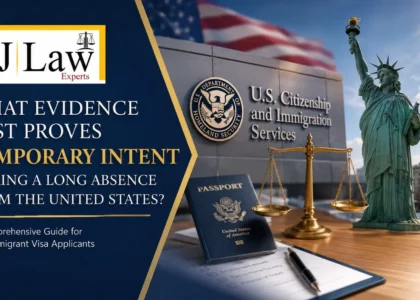
2. Temporary Trip Abroad
Applicants must show that their trip outside the United States was intended to be temporary.
This may include proof such as:
- Employment records
- Travel plans
- Property ownership in the U.S.
3. Prolonged Stay Beyond Control
One of the most critical requirements is proving that the extended stay outside the United States occurred due to circumstances beyond the applicant’s control.
Examples may include:
- Serious illness
- Travel bans
- Unexpected family emergencies
Documents Required for an SB-1 Visa Application
If your green card expired abroad, you may need to provide the following documents during the application process:
- Expired or previous green card
- Passport
- Form DS-117 (Application for Returning Resident Status)
- Proof of ties to the United States
- Evidence explaining the prolonged stay abroad
Proper documentation significantly increases the chances of approval.
Application Process for the SB-1 Visa
The process for obtaining an SB-1 visa generally involves several steps.
Step 1: Submit Form DS-117
Applicants must file Form DS-117 at the U.S. embassy or consulate in the country where they are currently located.
Step 2: Attend the Consular Interview
A consular officer will review the case and determine whether the applicant qualifies for returning resident status.
During this interview, the officer evaluates:
- Reasons for staying abroad
- Evidence of maintaining U.S. residence
- Documentation supporting the case
Step 3: Immigrant Visa Processing
If the SB-1 status is approved, the applicant proceeds with immigrant visa processing, including medical examinations and further documentation.
Step 4: Return to the United States
After approval, the applicant receives a visa allowing them to travel back to the United States and resume their permanent resident status.
Challenges When a Green Card Expired Abroad
Many individuals face difficulties when their green card expired abroad, particularly when they lack sufficient documentation or cannot prove that their stay outside the United States was temporary.
Common challenges include:
- Insufficient evidence of U.S. ties
- Long absence without explanation
- Lack of travel or residency documentation
These issues can make the SB-1 vs immigrant visa decision more complicated.
Why Legal Assistance Matters
Immigration procedures can be complex, especially when dealing with cases involving expired residency documents or extended stays abroad.
Professional immigration lawyers can assist with:
- Evaluating eligibility for an SB-1 visa
- Preparing supporting documentation
- Representing applicants during visa processing
- Advising on SB-1 vs immigrant visa options
Legal support significantly improves the chances of a successful application.
How SJ Law Experts Can Help
SJ Law Experts provide professional legal assistance for individuals facing immigration issues related to expired residency documents or prolonged travel abroad.
Our legal services include:
- SB-1 Returning Resident Visa applications
- Immigration consultations
- Visa application guidance
- Documentation preparation and review
If your green card expired abroad, our legal team can guide you through the correct immigration process and help determine whether an SB-1 vs immigrant visa application is the best solution for your situation.
Frequently Asked Questions (FAQs)
1. What happens if my green card expires abroad?
If your green card expired abroad, you may need to apply for an SB-1 Returning Resident Visa or a new immigrant visa to return to the United States.
2. What is the difference between SB-1 vs immigrant visa?
The main difference in SB-1 vs immigrant visa is that the SB-1 visa restores your previous permanent resident status, while an immigrant visa starts the process again.
3. Who qualifies for an SB-1 Returning Resident Visa?
Permanent residents who stayed abroad longer than expected due to unavoidable circumstances may qualify for an SB-1 visa.
4. Can I return to the U.S. if my green card expired abroad?
Yes, but if your green card expired abroad and you stayed outside the U.S. for over a year, you may need an SB-1 visa or a new immigrant visa.
5. How long does the SB-1 visa process take?
The SB-1 visa process usually takes a few weeks to a few months depending on the embassy and documentation.