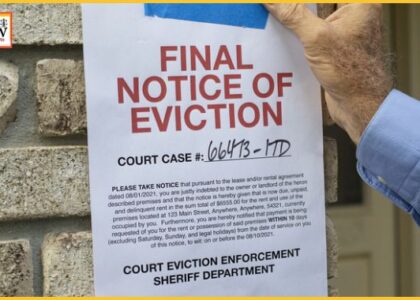

When rental disputes arise in Islamabad, eviction is often the most stressful stage for both landlords and tenants. Many people believe a landlord can simply force a tenant to leave, but the truth is different: eviction is only possible through the Rent Controller, who acts as a legal authority to decide whether an eviction is fair, justified, and enforceable.
This article explains the role of the Rent Controller in eviction cases in Islamabad, why this position exists, and how the process ensures fairness for both sides.
Real-Life Rental Conflicts in Islamabad
Tenants often panic after receiving an eviction notice. Some landlords attempt shortcuts—such as cutting utilities or giving verbal threats—without following legal channels. On the flip side, landlords sometimes complain that tenants refuse to leave even when rent is unpaid for months.
For example, a family in G-9 faced eviction when their landlord claimed personal use of the house. At first, they feared sudden removal, but through the Rent Controller, they were given several weeks to prepare. This case reflects the practical experience of how the Rent Controller ensures both landlord needs and tenant rights are considered.
Legal Foundation of the Rent Controller’s Role
The Islamabad Rent Restriction Ordinance, 2001 defines the Rent Controller’s powers. Under this law:
- A landlord cannot evict a tenant on their own.
- Eviction is only possible by filing an application before the Rent Controller.
- Grounds for eviction must be clear, such as:
- Non-payment of rent
- Unauthorized subletting
- Property misuse or damage
- Landlord’s personal need
- Non-payment of rent
This shows the expertise of the Rent Controller lies in applying the law fairly, rather than allowing landlords or tenants to take matters into their own hands.
Powers of the Rent Controller
The Rent Controller’s authority is similar to that of a civil court. In eviction cases, they:
- Receive Eviction Petitions – Landlords must file a written application citing legal grounds.
- Issue Summons – Tenants are formally notified and given time to reply.
- Hear Both Sides – Evidence, agreements, and rent receipts are examined carefully.
- Deliver Judgment – The Rent Controller decides whether eviction is justified.
- Enforce Orders – If needed, police assistance can be directed to execute the order.
This authoritative process ensures that neither side is unfairly treated, and decisions carry legal weight.
Fairness and Balance for Both Sides
The Rent Controller builds trust in the system by safeguarding rights:
- For Tenants:
- No forced eviction without due process.
- Right to contest false claims (e.g., non-payment).
- Courts usually allow time to vacate even after eviction.
- No forced eviction without due process.
- For Landlords:
- Legal recovery of property when justified.
- Ability to claim unpaid rent.
- Enforcement through proper legal authority.
- Legal recovery of property when justified.
Because of these checks and balances, the Rent Controller’s role is widely respected as a trustworthy safeguard in Islamabad’s rental housing system.
Step-by-Step Process Before the Rent Controller
Here’s how eviction cases typically proceed:
- Notice Served – Landlord issues a one-month eviction notice.
- Petition Filed – If the tenant doesn’t vacate, a petition is filed before the Rent Controller.
- Summons Issued – Tenant receives formal notice to appear.
- Tenant’s Reply – Tenant presents their defense.
- Hearing & Evidence – Both sides are heard with supporting documents.
- Final Decision – Eviction may be granted or dismissed.
- Execution – If ordered, eviction is carried out under court supervision.
Common Mistakes to Avoid
- Landlords: Trying to evict tenants without serving notice.
- Tenants: Ignoring court summons and losing by default.
- Both Parties: Not keeping written rent agreements or payment records.
FAQs on Role of Rent Controller in Islamabad
Q1: Can a landlord evict without going to the Rent Controller?
No. Any eviction without Rent Controller approval is illegal.
Q2: How long does an eviction case take?
Several months, depending on the complexity and evidence.
Q3: Do I need a lawyer for eviction cases?
Yes. A tenant disputes lawyer or land property lawyer strengthens your case.
Q4: What happens if a tenant ignores the eviction order?
The Rent Controller can enforce the order with police assistance.
Q5: Can tenants appeal against the decision?
Yes. They may appeal before the Islamabad High Court.
Conclusion
The Rent Controller in Islamabad is not just a formality—it is the legal authority that decides whether eviction is valid. By carefully reviewing petitions, hearing both sides, and enforcing lawful orders, the Rent Controller ensures fairness for landlords and protection for tenants.
Whether you are a landlord seeking possession or a tenant defending your rights, the process before the Rent Controller guarantees that eviction is carried out in a fair, lawful, and trustworthy manner. For best results, always seek advice from an experienced landlord tenant dispute lawyer in Islamabad.