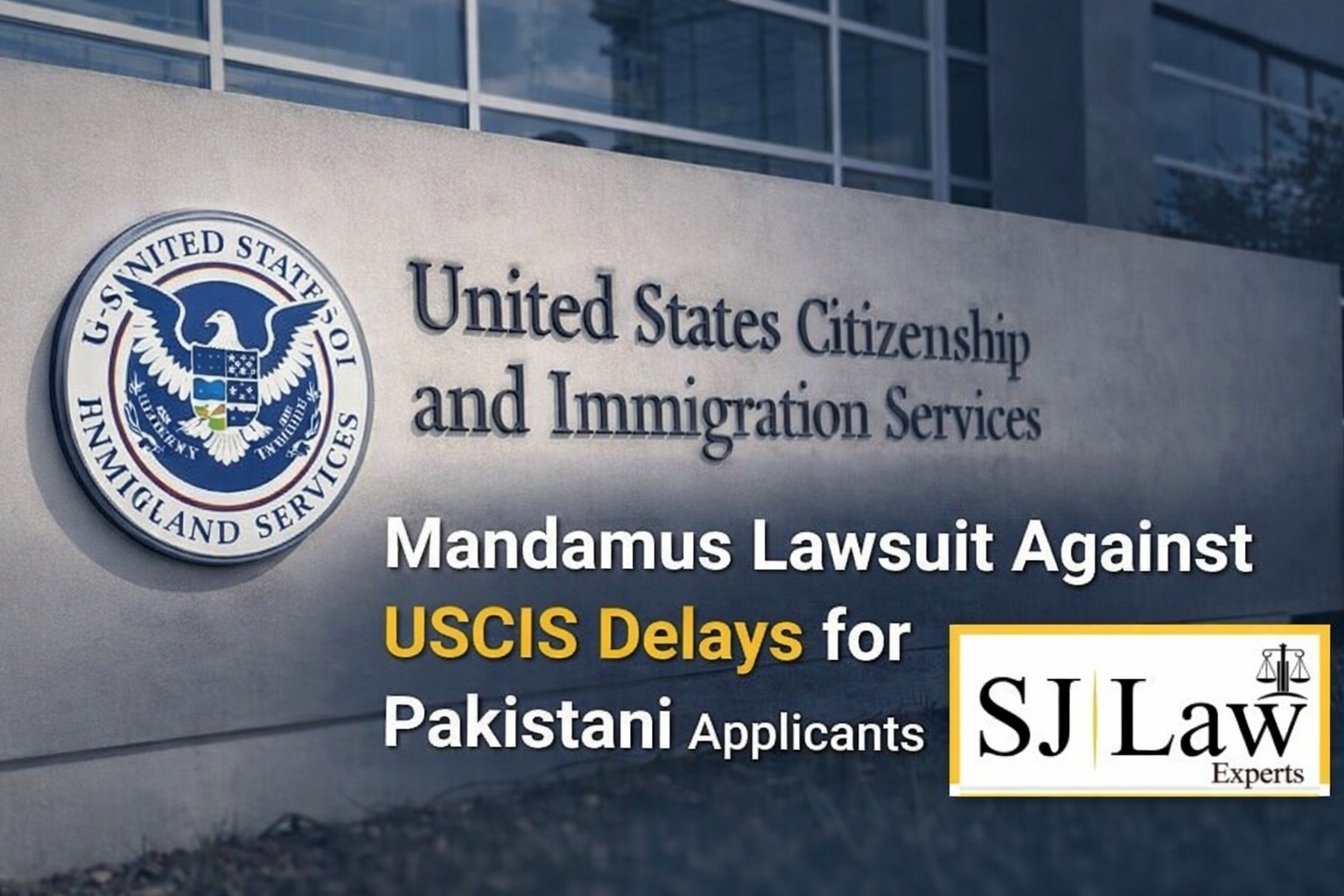
Immigration is often a life-changing journey. Many families, students, and professionals from Pakistan apply for U.S. visas and immigration benefits every year. However, one major challenge many applicants face is USCIS Delays for Pakistani immigration cases.
These delays can stretch for months or even years. For applicants waiting to reunite with family members or start jobs abroad, such delays can feel frustrating and overwhelming. Sometimes, delays occur due to administrative processes. Other times, they happen because of background checks, documentation reviews, or high application volumes. While some waiting is normal, excessive delays may indicate that something is wrong with the process.
That’s where a Mandamus lawsuit can help.
A Mandamus lawsuit is a legal tool that allows applicants to ask a federal court to order the immigration authorities to make a decision on their case. It doesn’t guarantee approval, but it forces the government to act. In this article, we’ll explore how Pakistani applicants can respond to immigration delays and understand the legal solutions available to them.
Understanding Immigration Processing Times
Immigration applications follow specific timelines. These timelines vary depending on the type of visa or immigration benefit requested. For example, family-based immigration petitions, work visas, and green card applications all have different processing periods.
Typically, applicants expect decisions within:
| Application Type | Average Processing Time |
| Family Petition | 6–12 months |
| Employment Visa | 4–10 months |
| Adjustment of Status | 8–14 months |
| Naturalization | 6–12 months |
However, applicants experiencing USCIS Delays for Pakistani cases often wait much longer.
Why Processing Times Matter
Delays affect real lives. For instance:
- Families remain separated for extended periods
- Students miss enrollment deadlines
- Workers lose employment opportunities
- Businesses struggle to fill skilled positions
Because of these consequences, immigration law allows applicants to challenge unreasonable delays.
Common Causes of USCIS Delays for Pakistani Cases
Understanding the reasons behind USCIS Delays for Pakistani applicants can help individuals prepare better and respond effectively.
Background Checks and Security Screening
One of the most common reasons for delays is enhanced security screening. Government agencies conduct background checks to ensure applicants meet national security requirements. These checks may involve multiple departments, including intelligence and law enforcement agencies. For Pakistani applicants, additional screening sometimes occurs due to geopolitical concerns or identity verification procedures.
Administrative Processing Issues
Administrative processing is another factor that can slow down immigration cases.
This process may involve:
- Verification of documents
- Review of financial records
- Validation of employment history
- Cross-checking immigration databases
When any part of this process takes longer than expected, the entire case can stall.
What Is a Mandamus Lawsuit?
A Mandamus lawsuit is a legal action filed in federal court to compel a government agency to perform its duty. In immigration cases, the lawsuit asks the court to order immigration authorities to make a decision on an application that has been unreasonably delayed. This legal tool doesn’t ask the court to approve the visa. Instead, it simply demands that the agency act.
Legal Basis for Mandamus Actions
Mandamus lawsuits are based on federal law known as the Mandamus Act. Under this law, courts can order government officials to perform duties they are legally required to complete. For immigration applicants experiencing USCIS Delays for Pakistani cases, this law provides an important legal remedy.
When Should Pakistani Applicants Consider Filing a Mandamus Lawsuit?
Not every delay justifies legal action. Some waiting periods are normal and expected. However, applicants should consider legal action when delays become unreasonable.
Signs Your Case Is Unreasonably Delayed
You may consider a Mandamus lawsuit if:
- Your case has exceeded normal processing times significantly
- The agency hasn’t responded to inquiries
- You’ve waited over 12–24 months without updates
- Administrative processing continues indefinitely
In such situations, filing a lawsuit may prompt the government to move forward.
Benefits of Filing a Mandamus Lawsuit
Many applicants hesitate to pursue legal action. However, there are several benefits.
- Forces Government Action: A Mandamus lawsuit compels immigration authorities to address the delayed case.
- Encourages Faster Decisions: In many cases, agencies respond quickly once a lawsuit is filed.
- Protects Applicant Rights: Applicants have the right to timely processing of their immigration applications.
- Creates Accountability: Legal pressure often leads to improved communication and transparency. For individuals dealing with USCIS Delays for Pakistani immigration applications, this legal approach can provide hope.
Step-by-Step Process of Filing a Mandamus Lawsuit
Filing a Mandamus lawsuit involves several steps. Understanding the process can help applicants prepare.
Step 1: Hire an Immigration Attorney
Legal representation is crucial. Immigration attorneys understand federal procedures and can determine whether your delay qualifies for a Mandamus action.
Step 2: Review Case History
Your attorney will review:
- Application submission date
- Government correspondence
- Processing timelines
- Evidence of delay
Step 3: Draft the Complaint
The attorney prepares a legal complaint explaining the delay and requesting court intervention.
Step 4: File in Federal Court
The complaint is filed in a U.S. federal district court. Government agencies are then officially notified.
Step 5: Government Response
After receiving the lawsuit, the government usually responds within a few weeks. In many cases, the agency begins processing the case quickly to resolve the lawsuit.
Risks and Limitations of Mandamus Lawsuits
Although Mandamus lawsuits are effective, they have limitations. Applicants should understand potential risks.
Possible Outcomes
- Case approval
- Case denial
- Request for additional evidence
Since the lawsuit only forces a decision, the final result may still be unfavorable. However, many applicants prefer a clear decision rather than endless waiting.
Alternatives Before Filing a Mandamus Lawsuit
Before filing a lawsuit, applicants may explore other solutions.
- Case Status Inquiry: Applicants can request updates through official immigration portals.
- Congressional Assistance: U.S. congressional offices often help constituents inquire about delayed cases.
- Ombudsman Requests: The Department of Homeland Security Ombudsman sometimes assists with long-pending applications.
- Legal Consultation: Consulting an immigration attorney can clarify options. If these steps fail, a Mandamus lawsuit may become the best option.
How Pakistani Applicants Can Strengthen Their Case
Applicants experiencing USCIS Delays for Pakistani immigration cases should prepare strong documentation.
Important records include:
- Application receipts
- Email communications
- Government notices
- Evidence of hardship caused by delays
Keeping organized records makes it easier for attorneys to build a compelling case.
Real-Life Scenarios of Immigration Delays
Consider these typical scenarios.
1: Family Visa Delay: A Pakistani spouse waits two years for a visa decision while living apart from their partner.
2: Work Visa Delay: A skilled professional loses job opportunities due to prolonged administrative processing.
3: Green Card Delay: An applicant remains stuck in background checks for several years. In many such cases, legal action has successfully pushed immigration authorities to make decisions. For official processing updates, applicants can visit the U.S. immigration website: https://www.uscis.gov
Conclusion
Immigration delays can disrupt lives, careers, and families. For many individuals experiencing USCIS Delays for Pakistani applications, waiting indefinitely is not an option. Fortunately, legal tools like Mandamus lawsuits provide a path forward. By understanding the causes of delays, exploring available alternatives, and seeking professional legal guidance, applicants can take control of their immigration journey.
If your case has been delayed far beyond normal processing times, consulting an experienced immigration attorney may be the first step toward resolving the problem and moving closer to your American dream.
Frequently Asked Questions (FAQs)
1. What causes USCIS delays for Pakistani applicants?
Delays often occur due to background checks, administrative processing, high application volumes, or document verification issues.
2. How long should I wait before filing a Mandamus lawsuit?
Most attorneys recommend waiting until your case exceeds normal processing times by several months or even years.
3. Does a Mandamus lawsuit guarantee visa approval?
No. The lawsuit only forces the agency to make a decision. Approval is not guaranteed.
4. Is filing a Mandamus lawsuit expensive?
Legal fees vary depending on the attorney and case complexity, but many applicants find it worthwhile compared to indefinite delays.
5. Can the government deny my application after a Mandamus lawsuit?
Yes. The agency may approve or deny the case once it is reviewed.
6. Do Mandamus lawsuits work for all immigration cases?
They are most effective when the delay is clearly unreasonable and the government has failed to act within a reasonable timeframe.