For U.S. citizen parents living in Pakistan, one of the most confusing immigration questions is whether USCIS and CRBA applications can be filed at the same time. Many families worry about delays, refusals, or choosing the wrong path for their child’s future in the United States.
This guide explains when dual filing may make sense, when it does not, and what families in Pakistan should know before taking this step. If you are researching USCIS CRBA Pakistan procedures or wondering how to apply CRBA USCIS Islamabad, this article will help you make an informed decision.
Understanding CRBA and USCIS Applications
Before discussing simultaneous filing, it’s important to clearly understand what each application is meant for.
What a CRBA Application Means
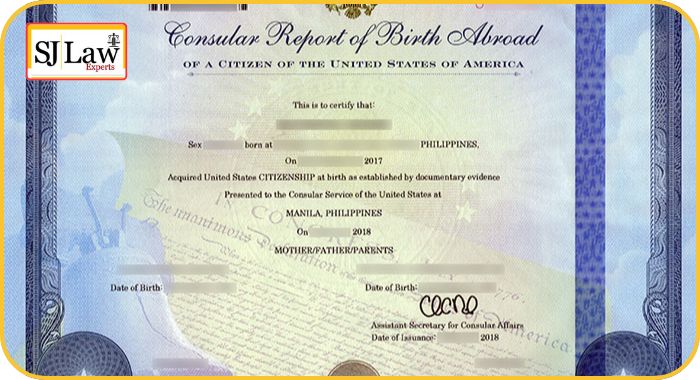
A Consular Report of Birth Abroad (CRBA) confirms that a child born outside the U.S. automatically acquired U.S. citizenship at birth. It is handled through the U.S. Embassy or Consulate, including the U.S. Embassy in Islamabad.
CRBA is about citizenship recognition, not immigration.
What a USCIS Application Means
A USCIS application or petition, usually Form I-130, is filed when a child did not become a U.S. citizen at birth. This process allows the child to immigrate to the U.S. as a permanent resident first.
USCIS cases are about immigration status, not immediate citizenship.
Can Families File USCIS and CRBA Together?
The Short Answer
In most cases, filing USCIS and CRBA applications simultaneously is not recommended. These processes are legally separate and based on different eligibility standards.
However, in limited situations, families consider dual filing as a backup strategy.
Why Some Families Consider Simultaneous Filing
Families in Pakistan sometimes think about filing both because:
- They are unsure whether their child qualifies for CRBA
- Physical presence evidence is incomplete
- There is urgency due to travel or relocation plans
- They want to avoid losing time if CRBA is refused
This is why searches related to USCIS CRBA Pakistan are common among parents facing complex documentation issues.
Legal and Practical Risks of Dual Filing
1. Conflicting Legal Claims
CRBA claims your child is already a U.S. citizen. A USCIS petition claims your child is not a U.S. citizen and needs immigration benefits.
Submitting both can create confusion and may raise questions during review.
2. Delays Instead of Speed
Some parents believe filing both will speed things up. In reality, it can:
- Trigger additional scrutiny
- Delay embassy or USCIS processing
- Lead to requests for clarification
3. Extra Costs and Paperwork
Each process has separate fees, documentation, and timelines. Filing both increases financial and administrative burden.
When Dual Filing May Be Considered
Although not common, simultaneous filing may be considered if:
- CRBA eligibility is unclear due to complex physical presence history
- The child is approaching an age deadline
- Legal advice confirms it is strategically safe
Even in these cases, timing and wording are critical when you apply for CRBA USCIS Islamabad.
Recommended Approach for Families in Pakistan
Step 1: Assess CRBA Eligibility First
If there is a strong chance your child qualifies for citizenship at birth, start with CRBA only. It is faster and provides direct citizenship benefits.
Step 2: Prepare a Backup Plan
If CRBA is refused, you can later file a USCIS petition. A CRBA refusal does not automatically block immigration options.
Step 3: Avoid Parallel Submissions Without Advice
Submitting both applications without guidance can complicate your case, especially for families dealing with USCIS CRBA Pakistan procedures.
Processing Through Islamabad: What to Expect
CRBA in Islamabad
- Appointment-based process
- In-person interview
- Original documents reviewed
- Citizenship decision made by consular officer
USCIS Petition Linked to Islamabad
- USCIS review in the U.S.
- Case sent to National Visa Center
- Interview scheduled in the U.S. Embassy Islamabad
Understanding these parallel systems is essential before you apply to CRBA USCIS Islamabad.
Common Mistakes Families Make
- Filing USCIS petition while CRBA is pending
- Assuming CRBA refusal means permanent denial
- Submitting inconsistent information in both applications
- Rushing without understanding eligibility rules
Avoiding these mistakes can save months or even years.
FAQs
Can I file a USCIS petition while waiting for CRBA results?
It is legally possible, but usually not advisable unless guided by a professional.
Does filing both improve approval chances?
No. Approval depends on eligibility, not the number of applications filed.
What if CRBA is denied?
You can still file a USCIS petition afterward if your child qualifies under immigration rules.
Is CRBA always better than USCIS?
If your child qualifies for citizenship at birth, CRBA is usually the best option.
Where should families apply in Pakistan?
CRBA is processed at the U.S. Embassy Islamabad, while USCIS petitions eventually route there for interviews.
Final Thoughts
For most families, filing USCIS and CRBA applications simultaneously is unnecessary and risky. Each process serves a different legal purpose, and choosing the right one depends on your child’s citizenship eligibility.
If your child qualifies for U.S. citizenship at birth, CRBA is the clear path. If not, a USCIS petition offers a lawful immigration route. Understanding how USCIS CRBA Pakistan procedures work—and when to apply CRBA USCIS Islamabad—can help you avoid costly delays and protect your child’s future.