
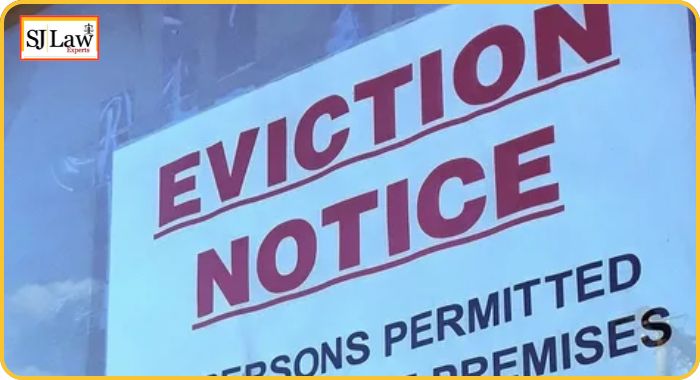
Eviction disputes between landlords and tenants are common in Pakistan, especially in major cities like Islamabad where property demand is high. One of the most frequent questions property owners ask is: how long does an eviction case take to resolve? Understanding the eviction case duration Pakistan can help both landlords and tenants prepare legally, financially, and emotionally for the process.
In this comprehensive guide, SJ Law Experts explain the timeline, legal procedures, and factors that influence the duration of an eviction case in Islamabad.
Understanding Eviction Laws in Islamabad
Eviction cases in Islamabad are primarily governed by the rent laws and civil procedures applicable in the Islamabad Capital Territory (ICT). These laws regulate the relationship between landlords and tenants and provide a legal framework for resolving disputes.
Typically, eviction cases arise due to:
- Non-payment of rent
- Violation of tenancy agreement
- Personal need of the landlord
- Illegal subletting
- Expiry of tenancy period
When such disputes occur and cannot be resolved amicably, the landlord may file an eviction petition before the Rent Controller or relevant court. Understanding the eviction case duration Pakistan requires knowing the stages involved in the legal process.
Typical Timeline of an Eviction Case in Islamabad
Although every case is different, a standard eviction case in Islamabad usually takes 3 to 12 months depending on various factors. Below is a general timeline of the process.
1. Filing the Eviction Petition (1–2 Weeks)
The process begins when the landlord files an eviction petition through a lawyer in the relevant court.
The petition usually includes:
- Property ownership documents
- Tenancy agreement
- Details of rent payments
- Grounds for eviction
Once the petition is filed, the court issues notices to the tenant. This stage generally takes about one to two weeks, depending on documentation and court workload.
2. Issuance of Notice to the Tenant (2–4 Weeks)
After the case is filed, the court sends a legal notice to the tenant informing them about the eviction petition.
The tenant is given time to:
- Appear before the court
- Submit a written reply
- Present their defense
Service of notice can sometimes delay the eviction case duration in Pakistan, especially if the tenant avoids receiving court notices.
3. Submission of Written Statement (3–4 Weeks)
Once the tenant receives the notice, they must submit a written statement responding to the landlord’s claims.
The tenant may:
- Accept the claim
- Deny the allegations
- Present legal objections
This stage generally takes three to four weeks, depending on how quickly the tenant responds.
4. Evidence and Arguments (1–3 Months)
This is one of the most important phases in determining the eviction case duration in Pakistan.
During this stage:
- Both parties present documentary evidence
- Witnesses may be examined
- Lawyers present legal arguments
If the evidence is straightforward, the court may conclude hearings within one to three months. However, complex cases can take longer.
5. Court Decision (2–6 Weeks)
After reviewing all evidence and arguments, the court issues its decision.
The court may:
- Order eviction of the tenant
- Dismiss the landlord’s petition
- Provide time for the tenant to vacate the property
In most cases, the final decision is issued within two to six weeks after hearings are completed.
Factors That Affect Eviction Case Duration in Pakistan
While the average timeframe is a few months, several factors can extend or shorten the eviction case duration Pakistan.
1. Strength of Legal Documentation
If the landlord has:
- A written tenancy agreement
- Clear rent records
- Ownership documents
The case usually proceeds faster.
2. Tenant’s Legal Strategy
Some tenants delay proceedings by:
- Filing objections
- Requesting adjournments
- Challenging notices
Such tactics can significantly increase the eviction case duration Pakistan.
3. Court Workload
Islamabad courts often deal with a large number of cases. If the court schedule is crowded, hearings may be postponed, increasing the timeline.
4. Appeals and Higher Court Proceedings
Even after a decision, the losing party may file an appeal in a higher court. Appeals can add several additional months to the eviction process.
5. Type of Eviction Ground
Some eviction grounds are resolved faster than others. For example:
- Non-payment of rent cases often resolve quickly
- Personal use claims may require more evidence and time
Can an Eviction Case Be Resolved Faster?
Yes, in many situations eviction cases can be resolved more quickly if:
- Both parties cooperate with the court
- Proper legal documentation is provided
- Experienced lawyers handle the case
Legal professionals often help streamline the process and reduce unnecessary delays.
Importance of Hiring a Professional Lawyer
Handling eviction cases without proper legal assistance can lead to procedural mistakes and delays. Experienced lawyers understand:
- Local rent laws
- Court procedures
- Documentation requirements
Legal experts ensure that petitions are properly drafted and presented, which can significantly reduce the eviction case duration Pakistan.
Legal Guidance from SJ Law Experts
At SJ Law Experts, our legal team provides professional assistance in landlord-tenant disputes, eviction petitions, and property litigation in Islamabad.
Our services include:
- Filing eviction petitions
- Legal notices to tenants
- Representation before rent controllers
- Assistance with appeals and enforcement
With extensive experience in property law, SJ Law Experts work to ensure that eviction cases are handled efficiently and legally.
Final Thoughts
The eviction case duration Pakistan varies depending on the circumstances of each case, but most eviction matters in Islamabad take three to twelve months to reach a final decision. Proper documentation, strong legal representation, and cooperation with court procedures can significantly reduce delays.
If you are facing a landlord-tenant dispute or planning to file an eviction case in Islamabad, seeking professional legal advice is the best way to protect your rights and resolve the matter efficiently.