
Introduction
Tenancy agreements in Pakistan are the legal foundation of landlord-tenant relationships in Pakistan, particularly in cities like Islamabad, Lahore, and Karachi. Unfortunately, tenants often breach tenancy agreements by failing to pay rent, subletting without permission, or damaging property.
As an Advocate High Court and experienced property lawyer at SJ Law Experts, I have handled numerous tenancy disputes. This guide explains types of breaches, legal procedures, requirements, and remedies available to landlords under Pakistani law.
Understanding Tenancy Agreements in Pakistan
A tenancy agreement is a binding legal contract that governs the occupation of a property.
Key Requirements:
- Must be in writing and preferably registered under the Registration Act, 1908.
- Signed by both landlord and tenant.
- Must include:
- Rent amount & payment schedule
- Duration of tenancy
- Maintenance duties
- Grounds for termination
- Rent amount & payment schedule
Governing Laws:
- Punjab Rented Premises Act, 2009
- Sindh Rented Premises Ordinance, 1979
- Islamabad Rent Restriction Ordinance, 2001
- Balochistan Rent Restriction Ordinance, 2009
Common Breaches of Tenancy Agreement by Tenants
- Non-Payment of Rent – failing to pay or unjustified withholding.
- Unauthorized Subletting – giving possession to third parties without landlord’s consent.
- Illegal Use of Property – e.g., using residential premises for commercial activities.
- Property Damage – structural or permanent damage beyond normal wear and tear.
- Refusal to Vacate – overstaying after tenancy expiry without renewal.
- Violation of Maintenance Terms – ignoring repair responsibilities.
- Breach of Conduct Clauses – creating nuisance or engaging in unlawful activities.
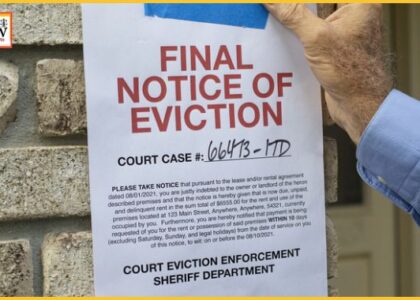
Legal Procedures for Handling Breach of Tenancy Agreement
Step 1: Serve a Legal Notice
- Highlight the breach.
- Provide a 15-day deadline for rectification or eviction.
Step 2: File an Eviction Petition
- File before the Rent Tribunal or Civil Court.
- Submit: tenancy agreement, copy of notice, and evidence of breach.
Step 3: Court Hearing and Decree
- Both sides present arguments.
- Court may order eviction, arrears recovery, or damages.
Step 4: Execution of Decree
- If the tenant still refuses to vacate, court bailiffs enforce eviction.
Timeframe for Resolution
- Tenancy disputes usually resolve in 2–6 months, depending on court workload and cooperation of parties.
Remedies Available to Landlords
- Eviction orders against tenant and sub-tenant.
- Recovery of unpaid rent and arrears.
- Damages for property destruction.
- Injunctions to prevent further violations.
- Recovery of litigation costs.
Preventive Measures for Landlords
- Draft tenancy agreements with professional legal help.
- Register agreements with authorities.
- Add explicit clauses on subletting and eviction.
- Document rent payments and communications.
- Conduct regular inspections of property.
Role of Property Lawyers in Tenancy Disputes
At SJ Law Experts, our property lawyers help landlords by:
- Drafting and reviewing tenancy agreements.
- Serving and responding to legal notices.
- Filing eviction petitions.
- Representing landlords in Rent Tribunals and Civil Courts.
- Ensuring enforcement of court decrees.
Conclusion
A breach of tenancy agreement can cause serious financial and legal issues for landlords. By understanding the law, following the correct procedures, and consulting experienced property lawyers, landlords can protect their property rights effectively.
If you are facing tenant-related issues or want to draft a watertight tenancy agreement, SJ Law Experts is here to provide professional legal guidance and representation.
📞 Contact SJ Law Experts
- Phone: +92-335-4112288
- Office: Office No. 1, First Floor, Al Anayat Mall, G-11 Markaz, Islamabad
- Website: Eviction Petition Services