Filing a USCIS Petition from Pakistan can seem overwhelming for many applicants. Whether it’s for family sponsorship, employment-based petitions, or other immigration benefits, understanding the process, gathering proper documentation, and following U.S. immigration law carefully are crucial for success. This article provides a detailed step-by-step guide for applicants in Pakistan to file a USCIS petition effectively.
Understanding USCIS Petitions
A USCIS Petition from Pakistan refers to submitting a request to the United States Citizenship and Immigration Services (USCIS) for a specific immigration benefit. Common petition types include:
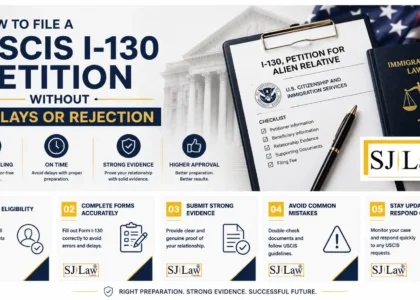
- Form I-130 – Petition for Alien Relative
- Form I-140 – Employment-Based Immigrant Petition
- Form I-129 – Nonimmigrant Worker Petition
- Form I-539 – Change or Extend Nonimmigrant Status
Each petition type has specific eligibility requirements, documentation needs, and processing timelines. Understanding the correct petition for your situation is the first step toward a successful application.
Step 1: Determine the Appropriate Petition Type
Choosing the correct petition is critical. For example:
- Family-based petitions (Form I-130) require proving the relationship between petitioner and beneficiary.
- Employment-based petitions (Form I-140 or I-129) require proof of job offer, qualifications, and company sponsorship.
- Other special petitions may have unique requirements, such as Form I-360 for religious workers or Form I-526 for investors.
Consulting an immigration attorney in Pakistan can help ensure you select the right petition type and avoid delays.
Step 2: Gather Required Documentation
The key to a successful USCIS Petition from Pakistan is thorough documentation. Required documents often include:
- Proof of identity (passport, birth certificates)
- Proof of relationship (marriage certificate, family records)
- Educational and professional credentials
- Employment letters and contracts (for employment-based petitions)
- Financial documents to demonstrate ability to support the beneficiary
Ensure all documents are authentic, translated into English if necessary, and notarized where required.
Step 3: Complete the USCIS Petition Form
Each petition form must be carefully completed. Mistakes can lead to delays or denials. Important tips:
- Use clear, accurate information matching official documents
- Include all supporting evidence in the package
- Sign and date the forms correctly
- Double-check USCIS instructions for each form
Many applicants from Pakistan work with immigration attorneys to ensure forms are properly filled and compliant with USCIS guidelines.
Step 4: Pay Filing Fees
USCIS charges fees for most petitions. The fee varies by petition type:
| Petition Type | Filing Fee (USD) |
| I-130 | 535 |
| I-140 | 700 |
| I-129 | 460 |
| I-539 | 370 |
Applicants should include the correct fee payment in the prescribed format. Payment errors can result in rejection of the petition.
Step 5: Submit the Petition
For applicants in Pakistan, petitions are generally submitted to the USCIS Lockbox facility in the United States via courier. Steps include:
- Organize forms and supporting documents
- Include the filing fee
- Mail to the correct USCIS Lockbox address
- Keep a copy of the petition and proof of delivery
Submitting a complete and organized petition reduces the risk of delays.
Step 6: Track Petition Processing
After submission, applicants receive a Receipt Notice (Form I-797) from USCIS. This notice includes a unique receipt number used to:
- Track case status online
- Receive updates on processing stages
- Respond to requests for additional information
Processing times vary depending on petition type, with some taking months or even years. Applicants from Pakistan should monitor updates regularly.
Step 7: Respond to Requests for Evidence (RFE)
USCIS may issue a Request for Evidence (RFE) if additional documentation is required. Responding promptly and accurately is critical. Tips include:
- Provide all requested documents
- Organize and label submissions clearly
- Include a cover letter explaining the response
- Meet the deadline provided by USCIS
An attorney can help prepare a strong response to strengthen the petition.
Step 8: Attend Interviews if Required
Certain petitions, such as family-based green cards or work-based visas, may require interviews at the U.S. Embassy or Consulate in Pakistan. Tips to prepare:
- Review the petition and all submitted documents
- Prepare clear, honest answers
- Bring all original documents and copies
- Dress professionally and arrive on time
Interview success can significantly impact approval of the USCIS Petition from Pakistan.
Step 9: Receive USCIS Decision
USCIS may approve, deny, or request additional information before making a final decision. Once approved:
- Family-based petition beneficiaries receive visa processing instructions from the National Visa Center (NVC)
- Employment-based petition beneficiaries may proceed to work visa applications or adjustment of status
- Denials may allow appeals or motions to reopen if there is valid evidence
Step 10: Plan for Visa Issuance
For applicants in Pakistan, approved petitions move to the U.S. Consulate in Islamabad or Karachi for visa processing. Applicants should:
- Complete the DS-260 or DS-160 form as instructed
- Schedule a visa interview
- Provide required medical exams and police clearances
- Attend the visa interview with proper documentation
Proper preparation ensures a smooth transition from petition approval to visa issuance.
Conclusion
Filing a USCIS Petition from Pakistan requires careful planning, proper documentation, and attention to U.S. immigration rules. By selecting the correct petition type, gathering supporting evidence, completing forms accurately, and responding promptly to USCIS requests, applicants increase their chances of approval.
Immigration lawyers play an important role in guiding applicants through every step, helping avoid delays and ensuring that the petition is complete and compliant. With careful preparation, a USCIS petition from Pakistan can lead to successful entry into the United States for work, study, or family reunification.
FAQs – USCIS Petition from Pakistan
1. What is a USCIS Petition from Pakistan?
It’s an application submitted to USCIS from Pakistan for family sponsorship, work, or other immigration benefits.
2. How long does it take?
Processing varies: family petitions 6–24 months, employment petitions 4–18 months.
3. Can I file without a lawyer?
Yes, but lawyers help reduce errors and improve approval chances.
4. What documents are needed?
Passports, birth/marriage certificates, financial proof, employment or education records, and translations if required.
5. What if USCIS asks for more evidence?
Respond promptly with all requested documents before the deadline.
6. How do I track my petition?
Use the receipt number (Form I-797) to check status on the USCIS website.