
Filing a USCIS Petition from Pakistan is not just about completing paperwork—it’s the gateway to visas, green cards, and family reunifications. USCIS carefully reviews each petition to ensure eligibility, accuracy, and compliance with immigration laws. An error, however minor, can trigger processing delays, requests for additional evidence (RFEs), or outright denial.
Common Types of USCIS Petitions Filed from Pakistan
Pakistani applicants frequently file:
- Family-Based Petitions (Form I-130) – Sponsoring relatives to the U.S.
- Employment-Based Petitions (Forms I-140/I-129) – Sponsored by U.S. employers.
- Student and Exchange Visitor Petitions (Forms I-20, DS-2019) – For studying in the U.S.
- Humanitarian Petitions – Asylum or refugee status.
- Adjustment of Status or Naturalization Forms (Form N-400) – For permanent residency or citizenship.
Each petition type has unique requirements, and errors can carry severe consequences.
Why Errors in USCIS Petitions Can Be Costly
Mistakes in petitions impact both time and money. Common repercussions include:
- Financial Implications of Mistakes: Incorrect filing fees can result in rejected petitions, requiring applicants to pay again. Late payments may also delay processing by months.
- Delays in Processing Times: Even small errors, like missing signatures or wrong dates, can prompt USCIS to issue an RFE, extending processing times unnecessarily.
- Risk of Petition Denial: Repeated or severe mistakes, such as falsified information, can result in denial, making future applications more complicated.
7 Common Mistakes Applicants Make
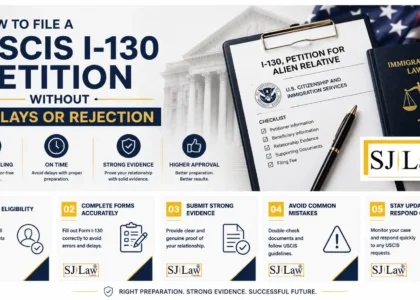
1. Incomplete Forms: Missing sections or skipped questions are frequent mistakes. USCIS treats incomplete petitions as non-compliant, delaying review.
2. Wrong Filing Fees: Each petition has a specific fee. Paying the incorrect amount from Pakistan can cause your submission to be rejected.
3. Missing Supporting Documents: Documents like birth certificates, marriage certificates, or employment letters are often overlooked. Always check the latest USCIS guidelines.
4. Incorrect Personal Information: Even minor errors in names, dates, or addresses can trigger denials. Consistency across all documents is critical.
5. Poorly Prepared Cover Letters: Cover letters should summarize and justify the submission. Ambiguous or incomplete letters make petitions harder to review.
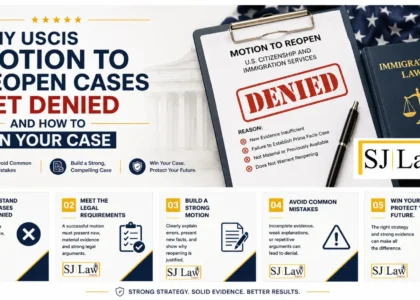
6. Failure to Respond to Requests for Evidence (RFE): Ignoring or delaying responses to RFEs can result in automatic denials.
7. Using Outdated USCIS Forms: USCIS updates forms frequently. Submitting old versions from Pakistan can invalidate your application.
Step-by-Step Guide to Correcting Mistakes
- Identifying the Error Early: The first step is always vigilance. Review your petition carefully and compare it with USCIS instructions.
- Contacting USCIS Properly from Pakistan: Use official channels, such as the USCIS Contact Center, or work with the U.S.-licensed immigration attorney.
- Filing a Corrected Petition: If your petition hasn’t been processed, submit a corrected version with an explanation of the previous error.
- Submitting Additional Evidence: Include any missing documents and ensure they are properly certified or notarized, especially for Pakistani legal documents.
- Following Up After Submission: Keep tracking numbers, copies, and confirmations. Regularly check USCIS case status online.
Best Practices for Avoiding Errors in Future Petitions
- Double-Checking Forms Before Submission: Always verify spelling, dates, and attachments. A simple checklist can save months of processing time.
- Consulting Experienced Immigration Lawyers: Professional lawyers familiar with USCIS Petitions from Pakistan can review your forms and advise on potential pitfalls.
- Keeping a Detailed Filing Checklist: Maintain a document checklist with each petition, form, and payment receipt. This reduces human error significantly.
Tools and Resources for Pakistani Applicants
- USCIS Official Website: Contains up-to-date forms, fee schedules, and RFEs: USCIS.gov
- Local Immigration Assistance Services: Some law firms in Pakistan offer guidance on U.S. petitions, document authentication, and notarization.
- Online Forums and Support Groups: Websites like VisaJourney or Reddit’s immigration communities provide peer advice and practical experiences.
Conclusion:
Correcting mistakes in USCIS Petitions from Pakistan requires attention, patience, and adherence to official guidelines. Early identification, professional guidance, and careful documentation can prevent delays and denials. Following these steps will maximize the chances of a successful petition and smooth immigration process.
FAQs About USCIS Petitions from Pakistan
Q1: Can I correct my USCIS petition after submission?
A1: Yes, but timing is crucial. If the petition is still pending, submit a corrected petition with a detailed explanation.
Q2: What’s the fastest way to fix errors from Pakistan?
A2: Contact USCIS immediately and submit corrected documents with all supporting evidence.
Q3: How long does USCIS take to process corrected petitions?
A3: Processing depends on the type of petition but can range from several weeks to months.
Q4: Are there extra fees for correcting mistakes?
A4: Sometimes, yes. USCIS may require additional payments if the original fee was incorrect.
Q5: Can a lawyer help reduce errors in USCIS petitions?
A5: Absolutely. Experienced immigration lawyers ensure forms, fees, and documents are correct before submission.
Q6: Do I need to use notarized documents from Pakistan?
A6: Yes. USCIS typically requires notarization or official certification for foreign documents.