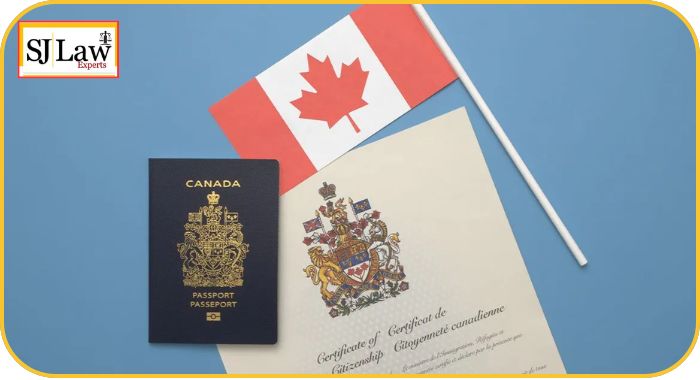
The first generation limit Canada rule has long shaped how citizenship is passed down to children born outside the country. For years, families with strong Canadian roots faced disappointment when their children or grandchildren were denied citizenship simply due to where they were born. However, with the new citizenship law Canada, that landscape is finally changing.
In simple terms, Canada is moving toward a more inclusive approach to Canadian citizenship by descent. This change recognizes modern realities, global mobility, and the deep connections families maintain with Canada—even across generations. As a result, second and even third generation applicants may now have a pathway to citizenship.
What Is the First Generation Limit Canada Policy?
The first generation limit Canada policy restricted citizenship by descent to only the first generation born abroad. That meant if a Canadian citizen was also born outside Canada, they generally could not pass citizenship to their own children born abroad.
Historical Background of Canadian Citizenship by Descent
Canada introduced this rule in 2009 to prevent “citizens of convenience.” Lawmakers believed citizenship should reflect a real connection to Canada. However, the rule unintentionally affected families who lived abroad temporarily for work, education, or humanitarian reasons.
Why the First-Generation Rule Was Introduced
The government aimed to ensure strong ties to Canada. Still, critics argued the rule was too rigid and ignored global realities. Over time, legal challenges highlighted its unfair impact, especially on children with genuine Canadian heritage.
The New Citizenship Law Canada: What Has Changed?
The new citizenship law Canada marks a turning point. It relaxes the first-generation limit and introduces broader eligibility criteria.
Key Amendments Explained in Simple Terms
Under the updated framework:
- Second generation citizenship Canada applicants may qualify if they can prove a substantial connection to Canada.
- Certain third generation cases are now considered, especially where denying citizenship would cause hardship.
- The law emphasizes fairness, not just birthplace.
Who Benefits Most from the New Rules
Families who lived abroad temporarily benefited the most. Diplomats, military families, international students, and skilled professionals are among those positively impacted.
Canadian Citizenship by Descent: Old Rules vs New Rules
Comparison Table: Before and After
| Aspect | Old Rules | New Rules |
| Citizenship by descent | Only first generation | Second & limited third generation |
| Connection to Canada | Not considered | Strongly considered |
| Flexibility | Very limited | More inclusive |
| Family impact | Restrictive | Family-friendly |
This comparison clearly shows how the new citizenship law Canada is designed to reflect real-life family situations.
Eligibility for Second Generation Citizenship Canada
Second generation citizenship Canada applicants are typically children born abroad to a Canadian parent who was also born outside Canada.
Common Scenarios for Second Generation Applicants
You may qualify if:
- Your parent is a Canadian citizen by descent.
- Your family maintained ties to Canada (education, taxes, residence).
- Denial of citizenship would cause hardship.
Each case is assessed individually, which is a major shift from the old system.
Eligibility for Third Generation Citizenship
Third generation cases are more complex but no longer impossible.
Special Cases and Humanitarian Considerations
Third generation applicants may qualify if:
- The family has a strong, ongoing connection to Canada.
- Exceptional circumstances exist, such as statelessness.
- Human rights considerations apply.
These cases often require legal support due to their complexity.
Application Process Under the New Citizenship Law Canada
Applying under the updated system is more detailed but manageable.
Required Documents Checklist
- Proof of Canadian citizenship of parent/grandparent
- Birth certificates (translated if needed)
- Evidence of connection to Canada
- Government application forms
Processing Times and Fees
Processing times vary but generally range from 12 to 24 months. Fees depend on the type of application and complexity.
For official forms and updates, applicants should refer to the Government of Canada citizenship page:
https://www.canada.ca/en/services/immigration-citizenship.html
Legal Challenges and Ongoing Court Decisions
Canadian courts played a key role in reshaping the first generation limit Canada rule. Several rulings found the old system unconstitutional, pushing lawmakers to act. These decisions continue to influence how applications are reviewed today.
How This Change Impacts Immigrant Families Worldwide
This reform strengthens Canada’s image as a fair and inclusive nation. Families abroad can now maintain their Canadian identity across generations. It also encourages skilled professionals to stay connected to Canada without fear of losing citizenship rights for their children.
7 Powerful Reasons to Choose SJ Law Experts for Canadian Citizenship Cases
At sjlawexperts, we specialize in navigating the complexities of Canadian citizenship by descent.
- Proven expertise in second and third generation cases
- Personalized legal strategies tailored to your family history
- Up-to-date knowledge of the new citizenship law Canada
- Clear communication without legal jargon
- High success rate in complex applications
- End-to-end support from assessment to approval
- Trusted global service for clients worldwide
Choosing the right legal partner can make all the difference.
Common Mistakes to Avoid When Applying
- Submitting incomplete documents
- Ignoring proof of connection to Canada
- Misunderstanding eligibility rules
- Applying without legal advice in complex cases
Avoiding these mistakes saves time and reduces rejection risk.
FAQs
1. What is the first generation limit Canada rule?
It restricted citizenship by descent to only the first generation born outside Canada.
2. Does the new citizenship law Canada allow second generation citizenship?
Yes, second generation citizenship Canada is now possible under certain conditions.
3. Can third generation applicants qualify for Canadian citizenship by descent?
In limited and exceptional cases, yes.
4. Is this law already in effect?
Yes, changes are being implemented following court decisions and legislative updates.
5. Do I need a lawyer to apply?
Not always, but complex cases strongly benefit from legal support.
6. How long does the application process take?
Typically between 12 and 24 months, depending on case complexity.
Conclusion: A New Era for Canadian Citizenship
The removal of strict barriers under the first generation limit Canada policy represents progress. The new citizenship law Canada recognizes that identity, heritage, and belonging go beyond borders. For families worldwide, this change restores hope and strengthens Canada’s commitment to fairness.
If you believe you or your children may qualify, now is the time to explore your options and secure your Canadian future.