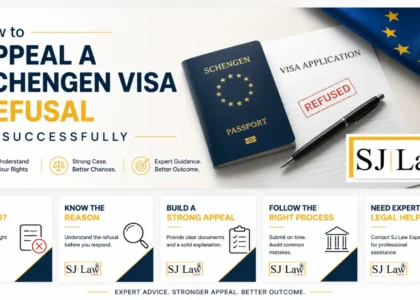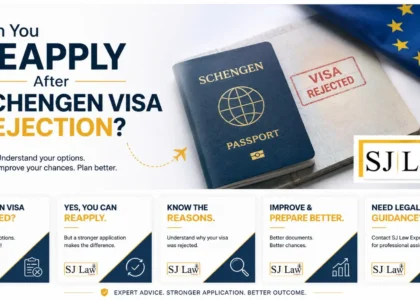
Applying for an Italian visa from Pakistan can be exciting — whether you’re planning to study, reunite with family, or explore Italy’s rich culture. However, many Pakistani applicants face rejection due to avoidable mistakes. Understanding the real reasons for Italy visa refusals and learning how to file an effective appeal can turn a refusal into an approval the next time you apply.
Understanding Italy Visa Refusals
An Italy visa refusal means the Italian Embassy or Consulate found your application non-compliant with Schengen or Italian immigration rules. Under Article 32 of the EU Visa Code, the embassy lists specific reasons for refusal in your decision letter.
The most affected categories include:
- Schengen tourist or business visas
- Family reunification and spouse visas
- Student and work visas
- Long-stay residence permits
Recognizing these reasons early helps applicants from Pakistan build stronger applications and avoid unnecessary refusals.
1. Incomplete or Incorrect Documentation
Most Italy visa refusals result from missing or mismatched documents. Common oversights include:
- No confirmed hotel booking or invitation letter
- Missing flight reservations
- Unverified bank statements or unclear income proof
- Discrepancies in employment or university letters
Even minor inconsistencies — like different spellings or unmatched dates — can trigger a rejection.
Expert Tip: Always cross-check your documents using the official Italian Embassy Islamabad checklist or Gerry’s Visa Application Centre portal.
2. Financial Insufficiency or Unclear Source of Funds
The embassy must be satisfied that you can finance your stay. If your bank records lack consistent inflows or recent activity, it raises doubts about your financial credibility.
To strengthen your financial profile:
- Submit 6-month bank statements showing regular income.
- Attach salary slips or business registration proof.
- Avoid large deposits just before applying — they appear suspicious.
A clear, traceable financial record can prevent your visa from being refused.
3. Weak Travel History or Prior Visa Violations
Your travel history helps demonstrate that you are a responsible traveler who returns home after trips.
Applicants with no travel record or previous Schengen visa overstays may be considered “high risk.”
If you’ve faced prior visa refusals from another EU country, disclose them honestly and attach an explanatory letter.
4. Doubt About Purpose of Visit
Another major reason for Italy visa refusals is an unclear or unsupported travel purpose.
For example:
- Claiming a business visit without a business invitation.
- Applying for a tourist visa but listing relatives in Italy.
Be consistent. If you’re visiting family, include proof of relationship. If for tourism, show your itinerary and bookings. Consistency in your story builds trust with the visa officer.
5. Weak Home Ties to Pakistan
The Italian Embassy must be convinced that you’ll return after your trip. Applicants without strong personal, financial, or professional ties to Pakistan are often refused.
To show strong home connections:
- Submit job verification letters.
- Attach property ownership documents.
- Provide family information or dependent details.
These demonstrate a solid reason to return home after your stay.
6. Use of Fake or Misleading Information
Providing false or altered documents can lead to immediate refusal and even a visa ban.
Italian immigration authorities perform detailed cross-checks, so accuracy and honesty are essential.
Avoid unverified agents who promise “guaranteed visas.” The embassy values authenticity over presentation.
How to File an Appeal After an Italy Visa Refusal
If your application has been rejected, you are legally entitled to file an appeal against the decision.
Here’s the process explained step by step:
Step 1: Review the Refusal Letter
Your refusal notice lists exact reasons under standard EU Visa Code categories (e.g., “Insufficient means of subsistence”).
Read and understand these carefully — they guide how you prepare your appeal.
Step 2: File Within the Legal Timeframe
You have 60 days from the date of refusal to submit your appeal. Appeals must be filed at the TAR Lazio Administrative Court in Rome (Tribunale Amministrativo Regionale per il Lazio).
Step 3: Hire a Qualified Immigration Lawyer
Engage a licensed immigration lawyer familiar with Italian and EU visa law. They can:
- Draft your appeal in Italian (mandatory for court submission).
- Address the embassy’s refusal points with legal arguments.
- Represent your case before Italian authorities.
Step 4: Submit Supporting Documents
Attach new or updated documents that strengthen your case, such as:
- Corrected financial statements
- Clarified invitation or employment letters
- Updated travel insurance or bookings
Step 5: Embassy or Court Review
Once submitted, the embassy may reconsider the refusal or forward the case to TAR Lazio for judicial review.
How Long Does the Appeal Take?
Generally, visa appeal decisions take 3–6 months, depending on case complexity.
Avoid reapplying during this period; instead, wait for the appeal’s outcome to avoid duplicate assessments.
Tips to Prevent Future Italy Visa Refusals
- Prepare your file early and check every document.
- Ensure consistency in all personal details.
- Maintain financial transparency.
- Consult an experienced immigration consultant or lawyer before reapplying.
Taking preventive steps is more effective than filing repeated appeals.
FAQs
Q1: Can I reapply immediately after a visa refusal?
Yes, but it’s better to fix the issues highlighted in your refusal letter before reapplying.
Q2: Can I appeal a Schengen visa refusal from Italy?
Yes, all applicants have the right to appeal to TAR Lazio through an authorized legal representative.
Q3: How can I strengthen my visa application?
Provide accurate documents, maintain financial proof, and clearly justify your purpose of travel.
Q4: Do I need to visit Italy to appeal my refusal?
No. Your lawyer in Italy can handle the appeal on your behalf.
Conclusion
Facing an Italy visa refusal can be discouraging, but it’s not final. By understanding the common reasons for rejection and following the proper appeal procedure, Pakistani applicants can successfully reverse decisions or prepare stronger reapplications. Remember: clarity, documentation, and professional guidance are your best tools for a positive outcome.